Appealing an SSDI Denial for Back Pain
TL;DR: Back pain claims are denied when the SSA says the imaging does not match the severity you describe, or when they conclude you can do sedentary work. To win on appeal, get a physical RFC from your orthopedist or pain management doctor with specific sit/stand/walk/lift limitations. Add evidence of nerve involvement (EMG, nerve conduction studies), document medication side effects, and address how pain limits concentration and attendance. At the hearing, the VE testimony about sit/stand options and off-task time is what wins these cases.
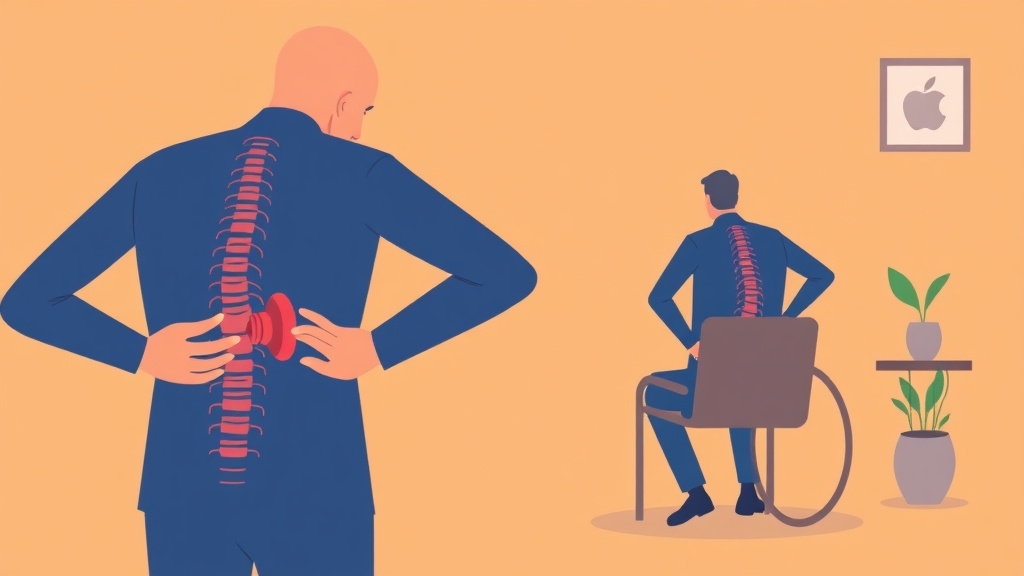
Back pain is one of the most common SSDI claims and one of the hardest to win at the initial level. The SSA often views back pain skeptically because imaging (MRI, X-ray) frequently shows degenerative changes in people who are not disabled. Having bulging discs on an MRI is not enough. You need evidence that your back condition prevents sustained work activity.
Why Back Pain Claims Get Denied
Imaging "does not match" symptoms
The SSA may look at your MRI showing "mild to moderate degenerative disc disease" and conclude it is not severe enough to be disabling. They compare your imaging to population norms and note that many people have similar findings without disability.
The SSA says you can do sedentary work
Even if the SSA agrees you cannot do heavy or medium work, they often conclude you can sit at a desk job. This is the Step 5 denial. Overcoming it requires proving you cannot sit for 6 hours in an 8-hour workday.
CE report was mild
The consultative exam checked your range of motion for 5 minutes and wrote "within functional limits." That brief exam did not test whether you could sustain those movements over an 8-hour day.
Evidence That Wins Back Pain Appeals
1. Physical RFC from your treating doctor
Your orthopedist, pain management doctor, or physiatrist should complete a physical RFC with:
| Limitation | Why It Matters for Back Pain |
|---|---|
| Maximum sitting time (total and at one time) | Less than 6 hours/day eliminates sedentary work |
| Maximum standing/walking time | Less than 2 hours/day limits to sedentary work |
| Need for sit/stand option | Alternating every 15-30 minutes erodes sedentary job base |
| Need to lie down during the day | Incompatible with competitive employment |
| Lifting/carrying limits | Less than 10 pounds limits to sedentary work |
| Bending, stooping, crouching restrictions | Limits many job categories |
| Expected off-task time from pain | 15%+ eliminates competitive employment |
| Expected absences | 2+ days/month exceeds employer tolerance |
2. Nerve involvement evidence
If your back condition involves nerve compression (radiculopathy, sciatica), get:
- EMG/nerve conduction studies showing nerve damage
- Updated MRI showing disc herniation, stenosis, or nerve root compression
- Neurologist evaluation documenting numbness, weakness, or reflex changes
Nerve involvement moves your case from "just back pain" to a neurological impairment, which the SSA takes more seriously.
3. Failed treatment documentation
Show that conservative treatment has not resolved the problem:
- Physical therapy records (tried it, limited improvement)
- Injection records (epidural steroid injections, nerve blocks) with outcomes
- Medication trials and why each was changed or stopped
- Surgical consultation records (even if you decided against surgery)
- Post-surgical records if you have had surgery and still have limitations
4. Pain management records
Ongoing pain management treatment shows the SSA that your pain is chronic and requires specialized care. Medication contracts, regular follow-ups, and treatment plan adjustments all support severity.
5. Functional Capacity Evaluation (FCE)
An FCE is a standardized, multi-hour physical assessment performed by a physical therapist. It measures your actual capacity: how long you can sit, stand, lift, carry, bend, and reach. An FCE provides objective, detailed data that is hard for the SSA to dismiss.
The Sit/Stand Strategy
For most back pain cases, the winning strategy at the ALJ hearing revolves around the sit/stand limitation. If your doctor says you need to alternate between sitting and standing every 15 to 30 minutes, the vocational expert will testify that this significantly erodes the sedentary job base.
Combine a sit/stand option with off-task time (15%+) from pain and expected absences (2+ days/month), and the VE will typically testify that no jobs exist. See our guides on sit/stand options, off-task testimony, and absenteeism arguments.
Do Not Ignore Mental Health
Chronic back pain frequently causes depression, anxiety, and sleep disruption. If you have these conditions (and most people with chronic pain do), get them documented and treated. Adding mental health limitations on top of physical limitations often makes the difference between denial and approval.
See our guides on appealing for depression and appealing for chronic pain.
Build Your Back Pain Appeal
DisabilityFiled's Complete Packet ($49) generates a physical evidence checklist specific to back conditions. We identify the key limitations to document and help you build the RFC-based case that wins at the hearing level.
Start your appeal preparation now.
Try our free tools
Frequently Asked Questions
How can I appeal an SSDI denial for back pain?
Back pain claims are denied when the SSA says the imaging does not match the severity you describe, or when they conclude you can do sedentary work. To win on appeal, get a physical RFC from your orthopedist or pain management doctor with specific limitations.
Why Back Pain Claims Get Denied?
The SSA may look at your MRI showing "mild to moderate degenerative disc disease" and conclude it is not severe enough to be disabling. They compare your imaging to population norms and note that many people have similar findings without disability.
What evidence is needed to win a back pain appeal?
Your orthopedist, pain management doctor, or physiatrist should complete a physical RFC with specific limitations like sit/stand options, lifting/carrying restrictions, and the need for breaks.
When should I use the sit/stand strategy for a back pain appeal?
For most back pain cases, the winning strategy at the ALJ hearing revolves around the sit/stand limitation. If your doctor says you need to alternate between sitting and standing every 15 to 30 minutes, the vocational expert will testify that this significantly erodes the occupational base.
Do Not Ignore Mental Health?
Chronic back pain frequently causes depression, anxiety, and sleep disruption. If you have these conditions (and most people with chronic pain do), get them documented and treated. Adding mental health limitations on top of physical limitations often makes the difference between denial and approval.
Can DisabilityFiled help me build a back pain appeal?
DisabilityFiled's Complete Packet ($49) generates a physical evidence checklist specific to back conditions. We identify the key limitations to document and help you build the RFC-based case that wins at the hearing level.