SSDI Video Hearing: How to Prepare and What to Expect
TL;DR: Video hearings are now common for SSDI cases. The process is the same as in-person but conducted via video teleconference. You appear on camera from a local SSA office or, in some cases, from home. Test your equipment, dress as you would for an in-person hearing, look at the camera when speaking, and make sure the judge can see you clearly. Video hearings are sometimes scheduled faster than in-person hearings, so accepting video may reduce your wait time.
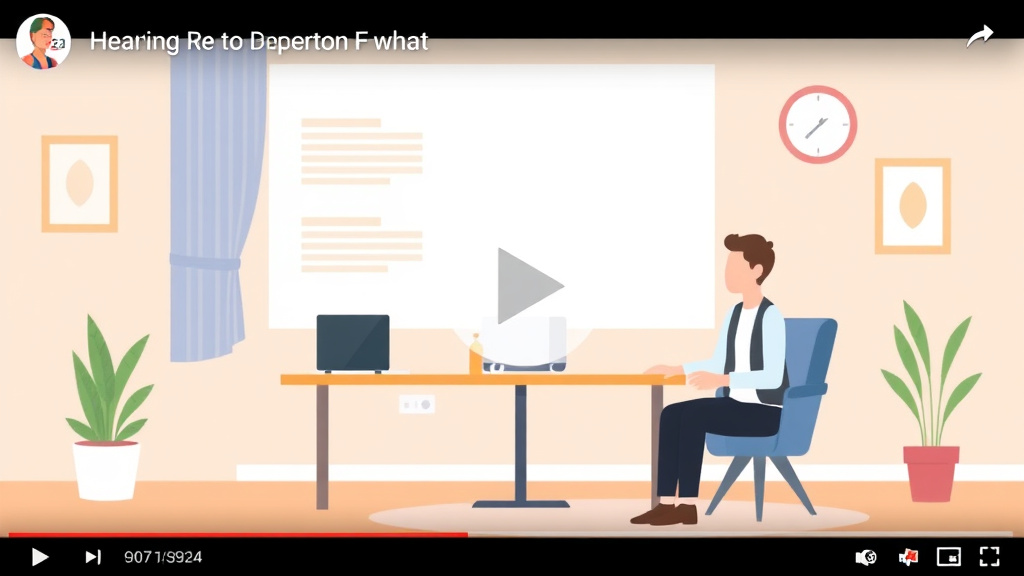
Since the pandemic, video hearings have become standard for many SSDI cases. The judge may be in a different city or state, while you appear from a local hearing office or occasionally from home via a video platform. The legal process is identical to an in-person hearing, but the format requires some specific preparation.
How Video Hearings Work
You typically go to a local SSA hearing office equipped with video conferencing equipment. The judge appears on a screen from another location. The vocational expert and medical expert (if present) may also be remote. Your attorney can be with you in the room or appear by video separately.
Home video hearings
Some hearing offices now allow hearings via Microsoft Teams or another platform from your home. If offered this option, make sure you have reliable internet, a quiet private space, and a device with a working camera and microphone.
Arrive at your hearing at least 30 minutes early. Bring a government-issued photo ID and any documents you submitted that you want to reference during testimony. Practice describing your daily limitations in concrete terms. Instead of saying 'I can't do much,' say something like 'I can stand for about 10 minutes before the pain forces me to sit down.' According to disability attorneys, the most common mistake at hearings is understating symptoms. Describe your worst days honestly, not just your average days.
Preparation Tips
| Do | Do Not |
|---|---|
| Look at the camera, not the screen | Look down or away when answering |
| Dress neatly (you are on camera) | Wear anything distracting |
| Speak clearly and slightly slower than normal | Mumble or speak too quickly |
| Test audio/video before the hearing | Assume everything will work |
| Have notes on one page for reference | Read from a script |
| Arrive 15 minutes early to test equipment | Show up right on time |
Arrive at your hearing at least 30 minutes early. Bring a government-issued photo ID and any documents you submitted that you want to reference during testimony. Practice describing your daily limitations in concrete terms. Instead of saying 'I can't do much,' say something like 'I can stand for about 10 minutes before the pain forces me to sit down.' According to disability attorneys, the most common mistake at hearings is understating symptoms. Describe your worst days honestly, not just your average days.
Advantages of Video Hearings
- Often scheduled faster than in-person
- No need to travel to the judge's hearing office (which may be in another city)
- Less physically taxing if mobility is an issue
Arrive at your hearing at least 30 minutes early. Bring a government-issued photo ID and any documents you submitted that you want to reference during testimony. Practice describing your daily limitations in concrete terms. Instead of saying 'I can't do much,' say something like 'I can stand for about 10 minutes before the pain forces me to sit down.' According to disability attorneys, the most common mistake at hearings is understating symptoms. Describe your worst days honestly, not just your average days.
Disadvantages
- Harder for the judge to read body language and observe physical limitations
- Technical issues can disrupt the hearing
- Some claimants find it harder to connect emotionally through a screen
SSA evaluates disability claims using the Blue Book, which lists qualifying conditions and the specific criteria each must meet. If your condition matches a Blue Book listing, approval is more straightforward. Even if your condition does not match a Blue Book listing exactly, you can still qualify through a medical-vocational allowance. This considers your age, education, work experience, and functional limitations together. Consistent treatment records are critical. SSA looks for ongoing documentation showing your condition limits your ability to work, not just a single diagnosis.
Can You Request In-Person Instead?
Yes. You have the right to request an in-person hearing. However, this may result in a longer wait. Discuss the trade-off with your attorney. In most cases, a well-prepared video hearing is just as effective as in-person.

For complete hearing preparation, see our ALJ hearing guide and testimony tips.
SSA evaluates disability claims using the Blue Book, which lists qualifying conditions and the specific criteria each must meet. If your condition matches a Blue Book listing, approval is more straightforward. Even if your condition does not match a Blue Book listing exactly, you can still qualify through a medical-vocational allowance. This considers your age, education, work experience, and functional limitations together. Consistent treatment records are critical. SSA looks for ongoing documentation showing your condition limits your ability to work, not just a single diagnosis.
Prepare for Your Video Hearing
DisabilityFiled's Complete Packet ($49) includes hearing preparation materials that work for both in-person and video formats.
Start your hearing preparation now.
Arrive at your hearing at least 30 minutes early. Bring a government-issued photo ID and any documents you submitted that you want to reference during testimony. Practice describing your daily limitations in concrete terms. Instead of saying 'I can't do much,' say something like 'I can stand for about 10 minutes before the pain forces me to sit down.' According to disability attorneys, the most common mistake at hearings is understating symptoms. Describe your worst days honestly, not just your average days.
What to Do Next
- Check the date on your denial letter and mark your 60-day appeal deadline on a calendar. Missing this window means restarting the entire process.
- Request a complete copy of your SSA file (called the 'exhibit file') so you can see exactly what evidence the reviewer had, and identify any gaps you need to fill.
- Get an updated RFC form from your treating doctor that addresses the specific reasons listed in your denial. If SSA said you can do sedentary work, your doctor needs to explain why you cannot.
Try our free tools
Frequently Asked Questions
How do I prepare for my SSDI video hearing?
Video hearings are now common for SSDI cases. The process is the same as in-person but conducted via video teleconference. Test your equipment, dress as you would for an in-person hearing, and be prepared to discuss your medical conditions and how they impact your ability to work.
How Video Hearings Work?
You typically go to a local SSA hearing office equipped with video conferencing equipment. The judge appears on a screen from another location. The vocational expert and medical expert (if present) may also be remote. Your attorney can be with you in the room or appear by video separately. Some hearing offices now allow hearings via Microsoft Teams or another platform from your home.
Can You Request In-Person Instead??
Yes. You have the right to request an in-person hearing. However, this may result in a longer wait.
Can I use DisabilityFiled's Complete Packet to prepare for my SSDI video hearing?
DisabilityFiled's Complete Packet ($49) includes hearing preparation materials that work for both in-person and video formats.