How to Apply for SSDI with Heart Disease: Application Tips
TL;DR: Heart disease qualifies under SSA Listings 4.02 (chronic heart failure), 4.04 (ischemic heart disease), 4.05 (recurrent arrhythmias), and 4.06 (symptomatic congenital heart disease). Key evidence includes echocardiogram showing ejection fraction (EF) of 30% or less, stress test results, cardiac catheterization reports, NYHA functional classification, and documentation of exercise intolerance. Track symptoms like chest pain, shortness of breath, and fatigue with specific activity triggers.
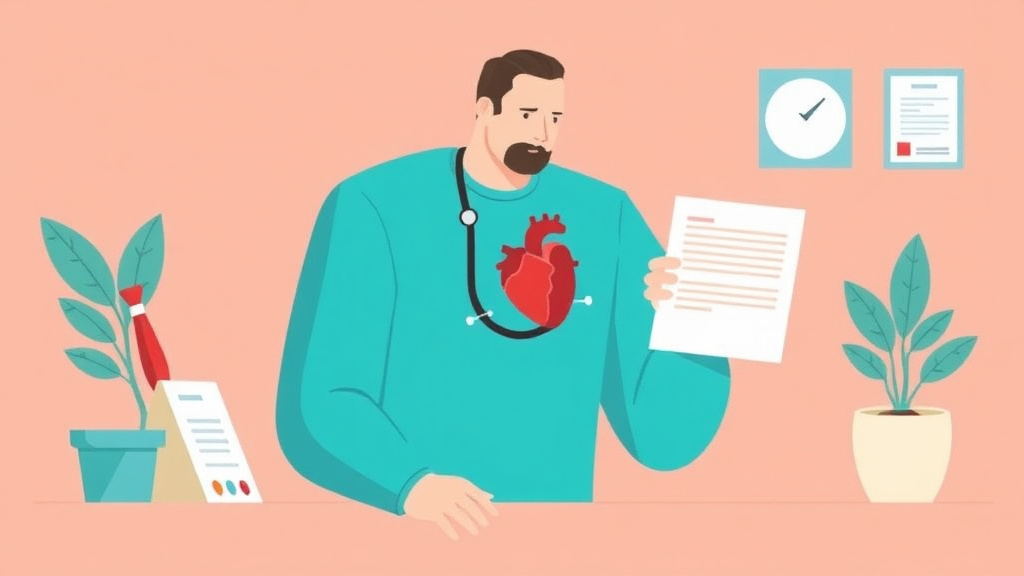
Heart disease claims have some of the most objective evidence available in SSDI, which is an advantage. Ejection fraction, stress test results, and cardiac catheterization data provide clear, measurable proof of your condition's severity. The key is making sure all your cardiac testing is current and your functional limitations are documented in detail.
Keep a daily symptom journal. Note your pain levels, what activities you attempted, and what you could not finish. This record becomes valuable evidence if your case goes to a hearing. Stay consistent with your medical treatment. Gaps in treatment give SSA a reason to argue your condition is not as severe as you claim. If cost is a barrier, document that as well. Connect with local disability advocacy organizations. Many offer free help with paperwork, transportation to appointments, and emotional support during the application process.
Relevant SSA Listings
Listing 4.02: Chronic Heart Failure
Requires systolic or diastolic heart failure documented by appropriate medically acceptable imaging showing one of:
- Ejection fraction of 30% or less during a period of stability (not during an acute episode)
- Persistent symptoms of heart failure limiting ability to independently initiate, sustain, or complete activities of daily living
Listing 4.04: Ischemic Heart Disease
Documented by exercise tolerance testing (stress test) showing specific abnormalities at low workload levels, or angiography showing significant coronary artery obstruction.
NYHA Functional Classification
| Class | Description | SSDI Relevance |
|---|---|---|
| Class I | No limitation of physical activity | Unlikely to qualify alone |
| Class II | Slight limitation, comfortable at rest | May qualify with other conditions |
| Class III | Marked limitation, comfortable only at rest | Strong basis for approval |
| Class IV | Unable to carry on any physical activity without discomfort | Very strong basis for approval |
SSA evaluates disability claims using the Blue Book, which lists qualifying conditions and the specific criteria each must meet. If your condition matches a Blue Book listing, approval is more straightforward. Even if your condition does not match a Blue Book listing exactly, you can still qualify through a medical-vocational allowance. This considers your age, education, work experience, and functional limitations together. Consistent treatment records are critical. SSA looks for ongoing documentation showing your condition limits your ability to work, not just a single diagnosis.
Essential Evidence
- Echocardiogram with ejection fraction measurement
- Exercise stress test (or pharmacological stress test if unable to exercise)
- Cardiac catheterization/angiography reports
- EKG and Holter monitor results
- Cardiologist treatment records with NYHA classification
- Surgical reports (bypass, stent placement, valve replacement)
- Medication list including dosages (beta-blockers, ACE inhibitors, diuretics, anticoagulants)
- Hospitalization records for cardiac events
- Cardiac rehabilitation records
Request your medical records directly from each provider rather than relying on SSA to gather them. SSA requests can take months, and records sometimes get lost in the process. Include records from every provider you have seen for your disabling conditions, even if a visit seemed minor. Gaps in treatment history are one of the most common reasons for denial. Medical records from the past 12 months carry the most weight, but older records help establish the onset date. A treatment history spanning several years shows the condition is persistent, not temporary.
Describing Cardiac Limitations
"I become short of breath walking from my car to the front door (about 50 feet). I cannot climb a single flight of stairs without resting. Carrying anything over 5 pounds causes chest pressure and shortness of breath. I elevate my legs 3 to 4 times per day due to edema. I sleep propped up on 3 pillows because lying flat causes breathing difficulty. My cardiologist has classified me as NYHA Class III."
SSA evaluates disability claims using the Blue Book, which lists qualifying conditions and the specific criteria each must meet. If your condition matches a Blue Book listing, approval is more straightforward. Even if your condition does not match a Blue Book listing exactly, you can still qualify through a medical-vocational allowance. This considers your age, education, work experience, and functional limitations together. Consistent treatment records are critical. SSA looks for ongoing documentation showing your condition limits your ability to work, not just a single diagnosis.
How DisabilityFiled Helps
DisabilityFiled's AI Intake connects your cardiac test results to functional limitations in SSA language. Start your application now and present your heart disease evidence effectively.
SSA evaluates disability claims using the Blue Book, which lists qualifying conditions and the specific criteria each must meet. If your condition matches a Blue Book listing, approval is more straightforward. Even if your condition does not match a Blue Book listing exactly, you can still qualify through a medical-vocational allowance. This considers your age, education, work experience, and functional limitations together. Consistent treatment records are critical. SSA looks for ongoing documentation showing your condition limits your ability to work, not just a single diagnosis.
What to Do Next
- Gather your medical records from every provider you have seen in the past 2 years. Request these now, as providers can take 2 to 4 weeks to process records requests.
- Create a my Social Security account at ssa.gov to check your earnings record and estimated benefit amount before applying.
- Write down your daily limitations in specific terms: how long you can sit, stand, walk, lift, and concentrate. You will need these details for the application forms.
- Start your DisabilityFiled application at disabilityfiled.com/intake to organize your application information with the free guided intake.
Try our free tools
Frequently Asked Questions
How to Apply for SSDI with Heart Disease: Application Tips?
Heart disease qualifies under SSA Listings 4.02 (chronic heart failure), 4.04 (ischemic heart disease), 4.05 (recurrent arrhythmias), and 4.06 (symptomatic congenital heart disease). Key evidence includes echocardiogram showing ejection fraction (EF) of 30% or less, stress test results, cardiac catheterization reports, NYHA functional classification, and documentation of exercise intolerance.
How do I qualify for SSDI with heart disease?
Listing 4.02: Chronic Heart Failure requires systolic or diastolic heart failure documented by appropriate medically acceptable imaging showing either an ejection fraction of 30% or less during a period of stability or persistent symptoms of heart failure.
What should I include when describing my cardiac limitations?
"I become short of breath walking from my car to the front door (about 50 feet). I cannot climb a single flight of stairs without resting. Carrying anything over 5 pounds causes chest pressure and shortness of breath."
How DisabilityFiled Helps?
DisabilityFiled's AI Intake connects your cardiac test results to functional limitations in SSA language. Start your application now and present your heart disease evidence effectively.