Can You Get SSDI for Post-Polio Syndrome?
TL;DR: Yes. Post-polio syndrome (PPS) causes new or worsening muscle weakness, fatigue, and pain decades after the original polio infection. Because PPS is progressive and has no cure, it is a strong basis for an SSDI claim. The SSA evaluates PPS under the neurological listings, particularly Listing 11.14 (peripheral neuropathy) or 11.22 (motor neuron disorders). Most PPS patients are in their 50s, 60s, or older, which means the SSA's age-based grid rules often work in their favor.

Post-polio syndrome affects people who recovered from polio years or decades ago. The remaining motor neurons that compensated for the ones destroyed by polio begin to fail, causing new weakness, increased fatigue, and muscle atrophy. If you survived polio and worked for years by compensating, PPS represents the breakdown of that compensation.
SSA Listings for Post-Polio Syndrome
| SSA Listing | Condition | Key Requirements |
|---|---|---|
| 11.14 | Peripheral neuropathy | Motor dysfunction in two extremities causing extreme limitation in standing, walking, or using arms |
| 11.22 | Motor neuron disorders | Marked limitation in physical functioning |
| 1.18 | Abnormality of major joint | If joint deformities from original polio cause dysfunction |
SSA evaluates disability claims using the Blue Book, which lists qualifying conditions and the specific criteria each must meet. If your condition matches a Blue Book listing, approval is more straightforward. Even if your condition does not match a Blue Book listing exactly, you can still qualify through a medical-vocational allowance. This considers your age, education, work experience, and functional limitations together. Consistent treatment records are critical. SSA looks for ongoing documentation showing your condition limits your ability to work, not just a single diagnosis.
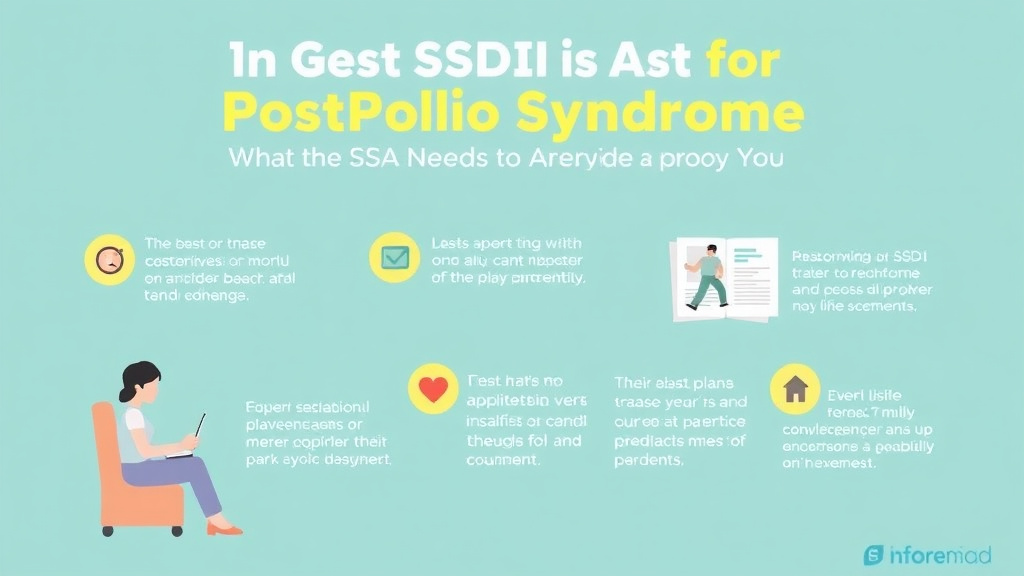
Medical Evidence the SSA Needs
- Documentation of original polio infection and recovery
- EMG showing chronic denervation and reinnervation patterns consistent with prior polio
- Serial muscle strength testing showing new or progressive weakness
- Pulmonary function tests if respiratory muscles are affected
- Sleep studies if sleep-disordered breathing is present
- Records of assistive devices: braces, crutches, wheelchair, ventilatory support
- Neurology records documenting the diagnosis of PPS
Request your medical records directly from each provider rather than relying on SSA to gather them. SSA requests can take months, and records sometimes get lost in the process. Include records from every provider you have seen for your disabling conditions, even if a visit seemed minor. Gaps in treatment history are one of the most common reasons for denial. Medical records from the past 12 months carry the most weight, but older records help establish the onset date. A treatment history spanning several years shows the condition is persistent, not temporary.
Common Denial Reasons
- Confusion between stable polio residuals and progressive PPS. The SSA needs to understand that PPS is a new, progressive condition, not just the old polio effects.
- Lack of comparison over time. Without serial strength testing showing decline, the SSA may view your limitations as stable rather than worsening.
- Respiratory involvement not documented. Many PPS patients develop breathing problems that are not tested for. Get pulmonary function tests.
A denial does not mean your case is over. About 2 out of 3 initial SSDI applications are denied, and many of those denials are overturned on appeal. Read your denial letter carefully. It tells you exactly why SSA denied your claim. The most common reasons are insufficient medical evidence and SSA determining you can still perform some type of work. You have 60 days from the date on your denial letter to file an appeal. Missing this deadline means starting over from scratch, so mark it on your calendar immediately.
Compassionate Allowance
Post-polio syndrome is not on the Compassionate Allowance list, but the progressive nature of the condition and advanced age of most applicants work in your favor.
SSA evaluates disability claims using the Blue Book, which lists qualifying conditions and the specific criteria each must meet. If your condition matches a Blue Book listing, approval is more straightforward. Even if your condition does not match a Blue Book listing exactly, you can still qualify through a medical-vocational allowance. This considers your age, education, work experience, and functional limitations together. Consistent treatment records are critical. SSA looks for ongoing documentation showing your condition limits your ability to work, not just a single diagnosis.
Function Report Tips
- Compare what you could do 2 to 5 years ago with what you can do now
- Describe the profound fatigue that PPS causes and how rest does not fully resolve it
- Detail how cold sensitivity affects your function
- Explain your need for assistive devices and how those needs have increased
- Note any breathing difficulties, especially during sleep
PPS claims are strengthened by showing progressive decline. DisabilityFiled creates SSA-compliant disability documents for $49 flat, saving you from the 25% attorney contingency fee.
Related Condition Guides
Report any changes within 10 days of the change occurring. This includes starting or stopping work, changes in your medical condition, moving to a new address, or receiving other benefits. You can report changes online through your my Social Security account, by calling SSA at 1-800-772-1213, or by visiting your local SSA office. Keep a record of what you reported and when. Failing to report changes can result in overpayments. SSA will recover overpayments by withholding future benefits, and in some cases, overpayments can reach thousands of dollars.
What to Do Next
- Check the date on your denial letter and mark your 60-day appeal deadline on a calendar. Missing this window means restarting the entire process.
- Request a complete copy of your SSA file (called the 'exhibit file') so you can see exactly what evidence the reviewer had, and identify any gaps you need to fill.
- Get an updated RFC form from your treating doctor that addresses the specific reasons listed in your denial. If SSA said you can do sedentary work, your doctor needs to explain why you cannot.
- Contact a disability attorney for a free case evaluation. Most work on contingency, so you pay nothing unless you win.
Try our free tools
Frequently Asked Questions
Can You Get SSDI for Post-Polio Syndrome??
Yes. Post-polio syndrome (PPS) causes new or worsening muscle weakness, fatigue, and pain decades after the original polio infection. Because PPS is progressive and has no cure, it is a strong basis for an SSDI claim. The SSA evaluates PPS under the neurological listings, particularly Listing 11.14 (peripheral neuropathy) or 11.22 (motor neuron disorders). Most PPS patients are in their 50s.
How does the Compassionate Allowance program apply to post-polio syndrome?
Post-polio syndrome is not on the Compassionate Allowance list, but the progressive nature of the condition and advanced age of most applicants work in your favor.
What information should I include in my function report for a post-polio syndrome claim?
PPS claims are strengthened by showing progressive decline. Compare what you could do 2 to 5 years ago with what you can do now, describing the changes in your abilities.