Can You Get SSDI for Restless Leg Syndrome?
TL;DR: It is possible but very difficult. Restless leg syndrome (RLS) by itself rarely qualifies for SSDI because the SSA views it as treatable with medications like dopamine agonists. However, severe RLS that does not respond to treatment, combined with the severe sleep deprivation it causes, can create a disabling combination. Most successful RLS claims involve RLS plus another condition such as depression, chronic fatigue, or peripheral neuropathy where the sleep disruption compounds the other disability.
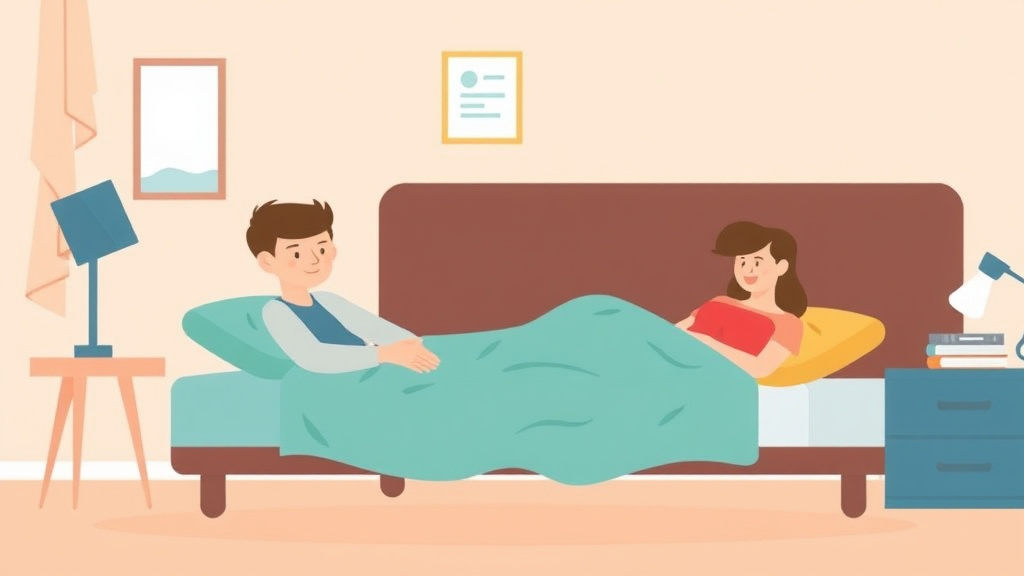
RLS causes an irresistible urge to move your legs, typically accompanied by uncomfortable sensations described as crawling, tingling, or burning. Symptoms are worst at rest and during the evening and night, which makes sleep nearly impossible for severe cases. The resulting chronic sleep deprivation causes daytime fatigue, concentration problems, and mood disturbances that can prevent sustained employment.
SSA Listings for RLS
There is no specific SSA listing for RLS. It may be evaluated under:
| SSA Listing | When It Applies |
|---|---|
| 11.14 (Peripheral neuropathy) | If RLS is associated with documented peripheral neuropathy |
| 12.04 (Depressive disorders) | If chronic sleep deprivation causes disabling depression |
| 11.03 (Non-epileptic paroxysmal disorders) | If periodic limb movements are severe and documented |
SSA evaluates disability claims using the Blue Book, which lists qualifying conditions and the specific criteria each must meet. If your condition matches a Blue Book listing, approval is more straightforward. Even if your condition does not match a Blue Book listing exactly, you can still qualify through a medical-vocational allowance. This considers your age, education, work experience, and functional limitations together. Consistent treatment records are critical. SSA looks for ongoing documentation showing your condition limits your ability to work, not just a single diagnosis.
Medical Evidence the SSA Needs
- Neurologist or sleep specialist diagnosis
- Sleep study (polysomnography) documenting periodic limb movements and sleep disruption
- Iron studies (ferritin levels), as iron deficiency worsens RLS
- EMG/nerve conduction studies if neuropathy is suspected
- Documentation of medication trials: dopamine agonists, gabapentinoids, opioids, iron supplementation
- Documentation of augmentation (when dopamine medications make RLS worse over time)
- Records showing daytime functional impact of sleep deprivation
Request your medical records directly from each provider rather than relying on SSA to gather them. SSA requests can take months, and records sometimes get lost in the process. Include records from every provider you have seen for your disabling conditions, even if a visit seemed minor. Gaps in treatment history are one of the most common reasons for denial. Medical records from the past 12 months carry the most weight, but older records help establish the onset date. A treatment history spanning several years shows the condition is persistent, not temporary.
Common Denial Reasons
- RLS responds to medication. If dopamine agonists control your symptoms, the SSA will deny. Document medication failure or augmentation.
- Condition viewed as non-severe. The SSA often views RLS as uncomfortable but not disabling. The sleep deprivation angle is usually stronger.
- No sleep study. Without polysomnography showing severe sleep disruption, the SSA may not accept the severity claim.
- Daytime effects not documented. Even with documented poor sleep, you need records showing how daytime function is impaired.
A denial does not mean your case is over. About 2 out of 3 initial SSDI applications are denied, and many of those denials are overturned on appeal. Read your denial letter carefully. It tells you exactly why SSA denied your claim. The most common reasons are insufficient medical evidence and SSA determining you can still perform some type of work. You have 60 days from the date on your denial letter to file an appeal. Missing this deadline means starting over from scratch, so mark it on your calendar immediately.
Compassionate Allowance
RLS does not qualify for Compassionate Allowance.
SSA evaluates disability claims using the Blue Book, which lists qualifying conditions and the specific criteria each must meet. If your condition matches a Blue Book listing, approval is more straightforward. Even if your condition does not match a Blue Book listing exactly, you can still qualify through a medical-vocational allowance. This considers your age, education, work experience, and functional limitations together. Consistent treatment records are critical. SSA looks for ongoing documentation showing your condition limits your ability to work, not just a single diagnosis.
Function Report Tips
- Describe a typical night: when symptoms start, how often you wake up, total sleep hours
- Detail next-day effects: fatigue level, concentration ability, mood
- Explain what happens when you try to sit still: meetings, driving, desk work
- Describe medication side effects and augmentation if applicable
- Note any co-occurring conditions worsened by sleep deprivation
RLS claims succeed through documenting the sleep-deprivation cascade. DisabilityFiled organizes your answers into a printable packet for your own SSA application for $49, saving the 25% attorney fee.
Related Condition Guides
Report any changes within 10 days of the change occurring. This includes starting or stopping work, changes in your medical condition, moving to a new address, or receiving other benefits. You can report changes online through your my Social Security account, by calling SSA at 1-800-772-1213, or by visiting your local SSA office. Keep a record of what you reported and when. Failing to report changes can result in overpayments. SSA will recover overpayments by withholding future benefits, and in some cases, overpayments can reach thousands of dollars.
What to Do Next
- Check the date on your denial letter and mark your 60-day appeal deadline on a calendar. Missing this window means restarting the entire process.
- Request a complete copy of your SSA file (called the 'exhibit file') so you can see exactly what evidence the reviewer had, and identify any gaps you need to fill.
- Get an updated RFC form from your treating doctor that addresses the specific reasons listed in your denial. If SSA said you can do sedentary work, your doctor needs to explain why you cannot.
- Contact a disability attorney for a free case evaluation. Most work on contingency, so you pay nothing unless you win.
Try our free tools
Frequently Asked Questions
Can You Get SSDI for Restless Leg Syndrome??
It is possible but very difficult. Restless leg syndrome (RLS) by itself rarely qualifies for SSDI because the SSA views it as treatable with medications like dopamine agonists. However, severe RLS that does not respond to treatment, combined with the severe sleep deprivation it causes, can create a disabling combination. Most successful RLS claims involve RLS plus another condition such as peripheral neuropathy or depression.
How does the SSA evaluate Restless Leg Syndrome?
There is no specific SSA listing for RLS. It may be evaluated under the listings for peripheral neuropathy, depressive disorders, or non-epileptic paroxysmal disorders, depending on the specific symptoms and their severity.
What should I include in my function report for a Restless Leg Syndrome claim?
RLS claims succeed through documenting the sleep-deprivation cascade. Describe a typical night: when symptoms start, how often you wake up, total sleep hours. Detail next-day effects: fatigue level, concentration ability, mood.
Can the side effects of Restless Leg Syndrome medication affect my disability claim?
RLS claims succeed through documenting the sleep-deprivation cascade. Explain what happens when you try to sit still, and any medication side effects or co-occurring conditions worsened by sleep deprivation.