Can You Get SSDI for Spinal AVM?
TL;DR: Yes. A spinal arteriovenous malformation (AVM) is an abnormal tangle of blood vessels in or near the spinal cord that can cause progressive neurological damage. Whether treated or untreated, spinal AVMs frequently cause permanent weakness, sensory loss, and bladder dysfunction that prevent work. The SSA evaluates spinal AVMs under neurological listings (11.08 for spinal cord disorders) or cardiovascular listings depending on the primary impairment.
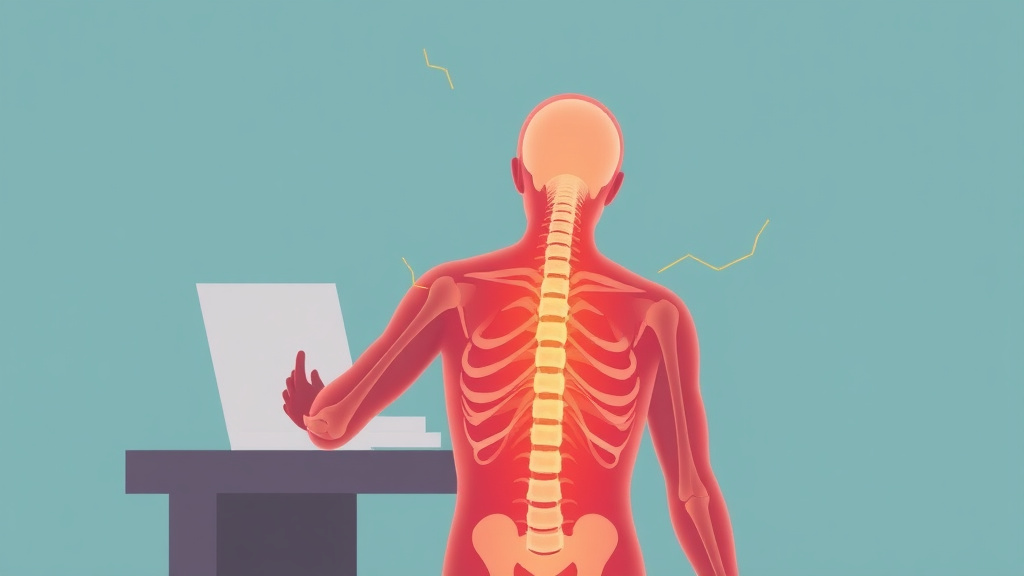
Spinal AVMs are rare but serious. The abnormal blood vessels can bleed, compress the spinal cord, or steal blood flow from normal spinal cord tissue. Over time, this causes progressive myelopathy: weakness in the legs, numbness, pain, and bladder problems. Even with successful treatment (surgery or embolization), many patients have permanent neurological deficits.
SSA evaluates disability claims using the Blue Book, which lists qualifying conditions and the specific criteria each must meet. If your condition matches a Blue Book listing, approval is more straightforward. Even if your condition does not match a Blue Book listing exactly, you can still qualify through a medical-vocational allowance. This considers your age, education, work experience, and functional limitations together. Consistent treatment records are critical. SSA looks for ongoing documentation showing your condition limits your ability to work, not just a single diagnosis.
SSA Listings for Spinal AVM
| SSA Listing | Condition | Key Requirements |
|---|---|---|
| 11.08 | Spinal cord disorders | Motor dysfunction in two extremities causing extreme limitation in standing, walking, or using arms |
| 11.04 | Vascular insult to the brain | If the AVM caused hemorrhage with residual neurological deficits |
| 1.15 | Disorders of the skeletal spine | If the AVM causes structural spinal issues with nerve compromise |
SSA evaluates disability claims using the Blue Book, which lists qualifying conditions and the specific criteria each must meet. If your condition matches a Blue Book listing, approval is more straightforward. Even if your condition does not match a Blue Book listing exactly, you can still qualify through a medical-vocational allowance. This considers your age, education, work experience, and functional limitations together. Consistent treatment records are critical. SSA looks for ongoing documentation showing your condition limits your ability to work, not just a single diagnosis.
Medical Evidence the SSA Needs
- MRI and/or spinal angiography confirming the AVM location and type
- Neurosurgical consultation notes
- Treatment records: embolization, surgery, radiation
- Post-treatment imaging showing residual AVM or treatment results
- Neurological examination documenting deficits: weakness, sensory loss, bladder function
- Urological evaluation if bladder involvement is present
- Serial neurological assessments showing stability or progression
Request your medical records directly from each provider rather than relying on SSA to gather them. SSA requests can take months, and records sometimes get lost in the process. Include records from every provider you have seen for your disabling conditions, even if a visit seemed minor. Gaps in treatment history are one of the most common reasons for denial. Medical records from the past 12 months carry the most weight, but older records help establish the onset date. A treatment history spanning several years shows the condition is persistent, not temporary.
Common Denial Reasons
- AVM successfully treated. If imaging shows the AVM is fully treated, the SSA may expect full recovery. Document residual deficits clearly.
- Neurological deficits not formally documented. Casual mention of weakness in office notes is not enough. Formal neurological examination with strength grading is needed.
- Rare condition poorly understood by reviewers. The SSA examiner may not be familiar with spinal AVMs. Clear, detailed medical records help overcome this.
A denial does not mean your case is over. About 2 out of 3 initial SSDI applications are denied, and many of those denials are overturned on appeal. Read your denial letter carefully. It tells you exactly why SSA denied your claim. The most common reasons are insufficient medical evidence and SSA determining you can still perform some type of work. You have 60 days from the date on your denial letter to file an appeal. Missing this deadline means starting over from scratch, so mark it on your calendar immediately.
Compassionate Allowance
Spinal AVMs are not on the Compassionate Allowance list, though associated hemorrhage with severe deficits may be processed more quickly.
SSA evaluates disability claims using the Blue Book, which lists qualifying conditions and the specific criteria each must meet. If your condition matches a Blue Book listing, approval is more straightforward. Even if your condition does not match a Blue Book listing exactly, you can still qualify through a medical-vocational allowance. This considers your age, education, work experience, and functional limitations together. Consistent treatment records are critical. SSA looks for ongoing documentation showing your condition limits your ability to work, not just a single diagnosis.
Function Report Tips
- Describe leg weakness and its impact on walking, standing, and balance
- Detail bladder problems and how they limit workplace presence
- Explain any numbness and the safety risks it creates
- Describe the progression of your symptoms over time
- Note any ongoing risk of hemorrhage and activity restrictions from your neurosurgeon
Rare condition claims need especially clear documentation. DisabilityFiled builds SSA-compliant disability documents for $49, far less than the 25% attorney contingency.
Related Condition Guides
Report any changes within 10 days of the change occurring. This includes starting or stopping work, changes in your medical condition, moving to a new address, or receiving other benefits. You can report changes online through your my Social Security account, by calling SSA at 1-800-772-1213, or by visiting your local SSA office. Keep a record of what you reported and when. Failing to report changes can result in overpayments. SSA will recover overpayments by withholding future benefits, and in some cases, overpayments can reach thousands of dollars.
What to Do Next
- Check the date on your denial letter and mark your 60-day appeal deadline on a calendar. Missing this window means restarting the entire process.
- Request a complete copy of your SSA file (called the 'exhibit file') so you can see exactly what evidence the reviewer had, and identify any gaps you need to fill.
- Get an updated RFC form from your treating doctor that addresses the specific reasons listed in your denial. If SSA said you can do sedentary work, your doctor needs to explain why you cannot.
- Contact a disability attorney for a free case evaluation. Most work on contingency, so you pay nothing unless you win.
Try our free tools
Frequently Asked Questions
Can You Get SSDI for Spinal AVM??
Yes. A spinal arteriovenous malformation (AVM) is an abnormal tangle of blood vessels in or near the spinal cord that can cause progressive neurological damage. Whether treated or untreated, spinal AVMs frequently cause permanent weakness, sensory loss, and bladder dysfunction that prevent work. The SSA evaluates spinal AVMs under neurological listings (11.08 for spinal cord disorders) or criteria for other affected body systems.
How does the Compassionate Allowance program work for spinal AVM?
Spinal AVMs are not on the Compassionate Allowance list, though associated hemorrhage with severe deficits may be processed more quickly.
What documentation is important for a spinal AVM disability claim?
Rare condition claims need especially clear documentation.DisabilityFiled offers a $49 Complete Packet that organizes your information for your own application. It is a document preparation service, not a law firm, and it does not provide legal advice or guarantee any outcome.