Last updated 2026-07-10
TL;DR
The hearing itself usually runs 45 to 75 minutes. Getting there is the hard part. SSA's average wait from hearing request to decision was about 340 days in fiscal year 2024, though some offices run much longer. From an initial denial to a hearing decision, the full appeals path can stretch 18 to 24 months.
What actually happens at a Social Security disability hearing?
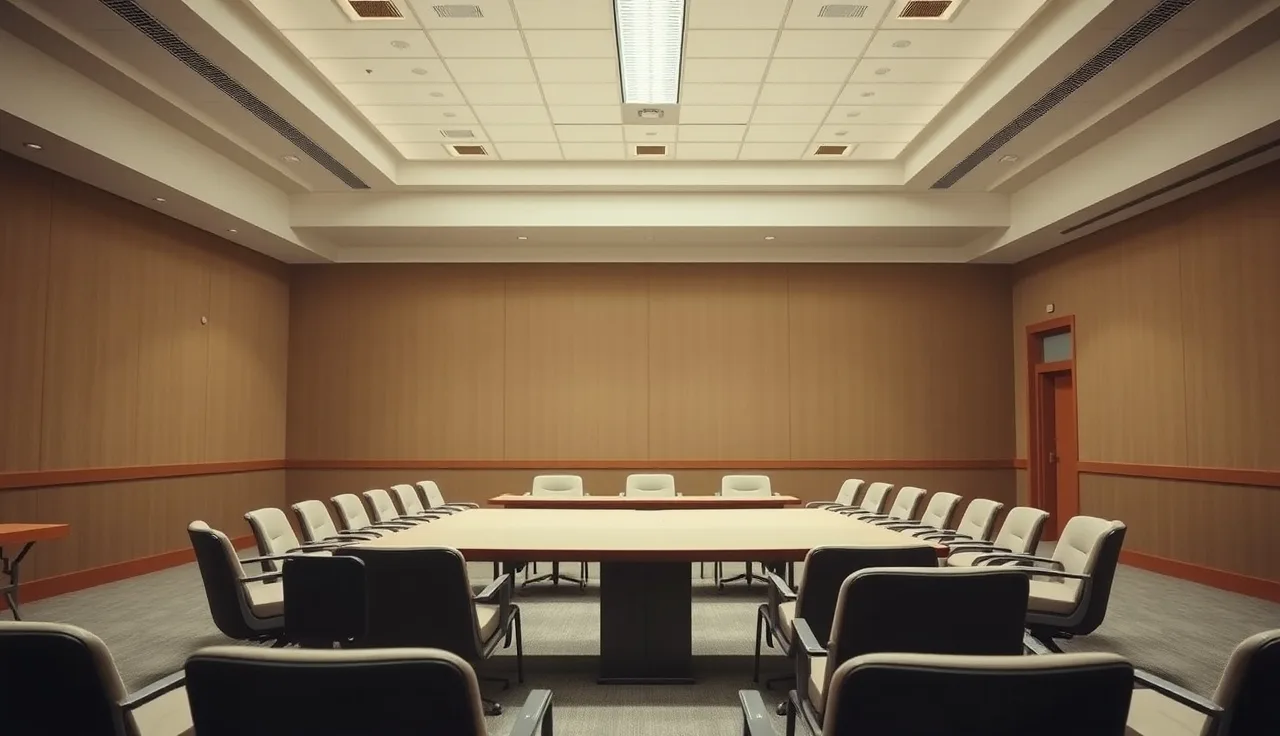
A disability hearing before an Administrative Law Judge (ALJ) is not a courtroom trial. No jury. No government lawyer sitting across from you trying to knock your claim down. It's an informal proceeding in a small conference room, usually at a local Office of Hearings Operations (OHO), though video hearings have become common since the pandemic.
The ALJ runs the show. They ask about your medical history, your daily activities, why you stopped working, and how your conditions limit you. Your representative, if you have one, can question you and any expert witnesses. Everything gets recorded.
Two kinds of expert witnesses show up often. A vocational expert (VE) testifies about whether someone with your specific limitations could still do jobs in the national economy. A medical expert (ME) sometimes testifies about the severity of your condition or whether it meets a listed impairment. Both can be cross-examined. In borderline cases, the VE's testimony is usually the hinge the decision swings on.
The ALJ won't announce a decision when the hearing ends. They review the file, sometimes request more records, and mail a written decision, typically within 30 to 90 days. [1]
How long does the hearing itself last?
Most hearings run 45 to 75 minutes. SSA's data and practitioner experience both put the typical hearing in that window, with real variation on either side.
A clean case with strong records, a cooperative claimant, and no vocational dispute might wrap in 30 to 40 minutes. A messy one with multiple severe conditions, conflicting medical opinions, and a hard VE cross can run 90 minutes or longer.
What pushes a hearing long: several impairments that each need separate discussion, a medical expert added to the witness list, a fight over how your past work should be classified, or a representative who filed a long pre-hearing brief the ALJ has to walk through on the record.
Arrive 30 minutes early no matter what. OHO staff check you in, review your ID, go over procedures, and confirm your representative is present. That pre-hearing administrative time doesn't count toward the hearing length, but it's real, and it adds up. Budget about two hours from arrival to walking out.
How long does it take to get a disability hearing date?
This is where the real wait lives. After SSA denies you at the initial and reconsideration levels and you file a Request for Hearing by ALJ (Form HA-501), you wait.
SSA's Office of Hearings Operations tracks average processing time. In fiscal year 2024, the national average from hearing request to decision was roughly 340 days, down from the crisis peak of 605 days (about 20 months) in FY2017 after years of underfunding and staff shortages. [2] But "average" hides a lot. Some hearing offices in high-demand areas still run 18 to 24 months. Claimants in less-burdened offices sometimes get scheduled in 9 to 10 months.
SSA posts monthly hearing office average processing times on its website, so look up your specific office before you assume anything about your timeline. [2]
Once your hearing is scheduled, SSA has to give you at least 75 days advance notice unless you waive it, which you generally should not do without a strong reason. [3]
The table below shows how wait times have moved over recent years as SSA worked through its backlog.
| Fiscal Year | Avg. Days to Hearing Decision (OHO) |
|---|---|
| FY2017 | 605 days |
| FY2019 | 492 days |
| FY2021 | 418 days |
| FY2022 | 386 days |
| FY2023 | 368 days |
| FY2024 | ~340 days (approx.) |
Sources: SSA Office of Hearings Operations data, Congressional Research Service. [2][4]
Those numbers cover the full OHO processing cycle, from the date the hearing office receives your case to the date it issues a written decision. That's a wider span than the calendar gap between your request date and the hearing date alone.
What is the full timeline from application to hearing decision?
Most people reach a hearing after two denials: first at the initial application stage, then at reconsideration (in most states). Here's a realistic end-to-end picture.
Initial application decision: 3 to 6 months. SSA targets 120 days but often runs longer. [5]
Reconsideration decision: 3 to 5 months after you file the appeal. Reconsideration exists in most states, though about 10 states use a "prototype" process that skips it entirely. [5]
Waiting for a hearing date after filing the Request for Hearing: 12 to 20 months depending on your hearing office. [2]
ALJ written decision after the hearing: 30 to 90 days.
Stack those up and a typical claimant who needs a hearing is looking at 2 to 3 years from the original application date to a final ALJ decision. That's a long stretch to go without income, which is why back pay matters so much. If you're approved, SSA pays benefits back to your established onset date (with a five-month waiting period for SSDI), so the time you spent waiting is often recoverable. Our social security disability 5-year rule article explains how onset dates and benefit calculations work together.
For context on what SSDI pays: the average SSDI benefit in 2025 is around $1,580 per month. [6] On a multi-year case, back pay can run into five figures.
Can you get a hearing faster than the normal wait?
Yes, in limited situations. Four of them, mainly.
The On-The-Record (OTR) decision is the first. If the medical evidence is strong and clearly meets or equals a listed impairment, your representative can ask for a fully favorable decision without a hearing. The ALJ reviews the record and, if the evidence supports it, issues a decision. No hearing needed. It isn't common, but it happens, especially when new medical records have come in since the earlier denials.
Critical case processing applies when you're in dire financial hardship (defined as an inability to afford basic food, medicine, or shelter), facing a military service connection, terminally ill, or expressing suicidal or homicidal ideation. SSA moves you up the scheduling line. [1]
Compassionate Allowances (CAL) can fast-track approval at the initial stage, sometimes keeping the case from ever reaching a hearing. CAL covers over 250 conditions where the evidence almost always meets the disability standard. If your condition is on the CAL list, SSA can process the claim in weeks rather than months. Our social security compassionate allowances expansion article covers how the program works and which conditions were recently added.
Accepting a video hearing instead of in-person can also cut the wait. Video slots often have shorter backlogs because they pull from more than one ALJ's calendar.
An SSDI lawyer or non-attorney representative can request expedited scheduling through these paths. That's one concrete reason representation matters as much before the hearing as during it. See our ssdi lawyer article for what to look for.
What do ALJs actually ask at disability hearings?
Most ALJ questions fall into a handful of predictable buckets. Knowing them ahead of time matters, because hesitation or a contradiction on a basic question can sink a case that otherwise has solid medical support.
Your work history. The ALJ asks about every job you held in the last 15 years: what you did, how much you lifted, how long you stood, whether you supervised anyone. This isn't small talk. The answers set your "past relevant work" and decide whether SSA will argue you can go back to any of it.
Your daily activities. What can you do in a day? Can you cook, drive, shop, care for kids or pets? If you told a doctor you exercise regularly but you're claiming you can barely walk, that gap will surface. Be honest and be specific.
Your symptoms on a typical day. Not your best day, not your worst. What does an average day look like? How long can you sit, stand, or walk before pain forces you to shift? How often do you have to lie down?
Your medications and side effects. ALJs ask about sedation, nausea, and cognitive fog because those effects can support functional limitations on their own.
Then the vocational expert gets hypotheticals. The ALJ describes a hypothetical person with certain limitations and asks whether jobs exist for that person. Your representative's job is to add sharper hypotheticals with tighter limitations drawn from your actual evidence. That exchange often decides the case.
How should you prepare for a disability hearing?
Preparation is the biggest variable you still control. By the time a hearing is scheduled, your medical record is mostly built. What you can still do is make sure the judge sees it clearly.
Review your records before the hearing. SSA keeps your complete file, called the "exhibit file." Your representative should have a copy and should walk you through it. Watch for gaps in treatment dates, because the ALJ will notice them and may ask why you stopped seeing a doctor.
Get a functional capacity statement from your treating physician. A Residual Functional Capacity (RFC) form filled out by your own doctor, spelling out exactly what you can and cannot do, is among the strongest evidence you can bring. [10] A generic letter that says "my patient is disabled" carries almost no weight. Specific limits do.
Practice answering questions out loud. Not to memorize scripts, but to get comfortable with the format. Many claimants underreport their limitations because they don't want to sound dramatic. ALJs are trained to probe for exactly that.
Know your medications by name and dose. Bring a written list if you need one.
If you're working with DisabilityFiled, the guided intake can help you build a claim summary that organizes your conditions, limitations, and work history in the format a hearing brief needs. That kind of structured summary is what a representative wants when drafting a pre-hearing memo.
Dress reasonably, but don't lose sleep over it. Business casual is fine. What you say counts far more than what you wear.
Does having a representative really change the outcome?
The data says yes. SSA's own statistics show claimants with representation at hearings win at meaningfully higher rates than those without. Across the years SSA has published outcome data, represented claimants approve at rates roughly 20 to 30 percentage points higher than unrepresented claimants at the ALJ level. [7]
Why the gap? Representatives know which medical evidence carries weight. They know how to cross-examine a vocational expert and pick apart the job numbers the VE cites. They write pre-hearing briefs that set the legal theory in your favor. And they know when to object to an ALJ's hypothetical to the VE that doesn't match the medical evidence.
The cost barrier is low by design. Most disability representatives work on contingency under the fee cap SSA sets: 25% of past-due benefits, capped at $7,200 as of the 2024 update. [8] You pay nothing unless you win, and SSA withholds the fee directly from your back pay.
For the full breakdown on finding and vetting a representative, see ssdi lawyer.
What happens after the hearing: when do you get a decision?
After the hearing, the ALJ reviews the record, weighs the testimony, and drafts a written decision. SSA's stated goal is to issue it within 90 days of the hearing. In practice, straightforward cases often land in 30 to 60 days, and complex ones can stretch to 90 or beyond. [1]
The decision comes back as one of three things: fully favorable (you win), partially favorable (you win, but with a later onset date than you claimed), or unfavorable (you lose).
If it's unfavorable, you can appeal to SSA's Appeals Council within 60 days. The Appeals Council can deny review, issue its own decision, or remand the case back to an ALJ. If it denies review, your next stop is federal district court. That path adds more time, often another 1 to 2 years.
Approval rates at the ALJ level run around 55% nationally in recent years, so roughly half of hearings end in approval. [9] That cuts both ways, which is why preparation and representation matter as much as they do.
If you're approved, SSA sends a notice of award. Benefits usually begin within 60 days of approval, with back pay figured to your established onset date minus the five-month SSDI waiting period. [6] For how payment timing works after approval, see ssdi payment schedule 2025.
Video hearings vs. in-person hearings: does it matter?
SSA expanded video hearings sharply during and after the pandemic. Today they're routine and often the default at many offices.
For most claimants, the format doesn't change the outcome. Same evidence, same witnesses, same ALJ deciding. If video is offered at your office and can get you scheduled sooner, taking it is usually the right call.
You do have the right to object to a video hearing and ask for an in-person one. That right lives in SSA's regulations, and you should use it if you have a real reason: severe anxiety triggered by screens, technology barriers, or a communication issue the ALJ needs to see in person. [3] Objecting just to stall, or without genuine cause, rarely pays off given the longer wait for an in-person slot.
Audio-only phone hearings exist too, in limited cases for claimants who can't access video. That format makes it harder to read a claimant, so if you're offered the choice, go with video.
One thing to handle before any video hearing: test your technology at least a week out. SSA uses a specific platform, and a technical failure during the hearing creates real problems. Your hearing office should send technical instructions with your notice.
What if you can't make your scheduled hearing date?
Life happens. If you can't make your scheduled hearing, move fast.
Call your hearing office (the number is on your notice) the moment you know there's a conflict. You can request a postponement before the hearing date, and SSA usually grants the first one without much fuss. A second postponement takes a stronger justification.
If you just don't show up and tell nobody, the ALJ will likely dismiss your case. That dismissal can be reopened if you file a written request within 60 days and show good cause for the absence, such as a medical emergency. But it's a headache you don't need. [1]
If your medical condition makes travel impossible, ask about switching to a video or phone hearing instead of postponing. That keeps the case moving.
Missing your hearing, or letting it get dismissed after a 12 to 18 month wait, is a brutal outcome. Put the date in three places the day your notice arrives.
How does the hearing fit into the full SSDI appeals process?
The disability hearing is the third stage of the SSA appeals process, not the first. Knowing where it sits helps you set expectations.
Stage 1 is the initial application. Most people are denied here. Denial rates at the initial stage run around 60 to 70% nationally. [9]
Stage 2 is reconsideration. A different SSA examiner reviews your file. Denial rates here are even higher, around 85 to 90% in most states. [9] It's demoralizing, but approval at reconsideration is rare by design. The system is built so the ALJ hearing is where most approvals happen.
Stage 3 is the ALJ hearing, the focus of this article.
Stage 4 is Appeals Council review, if the ALJ rules against you.
Stage 5 is federal district court.
The deadline that matters at every stage is 60 days (plus a 5-day mail allowance). Miss a 60-day appeal deadline and your case restarts from scratch unless you can show extraordinary good cause. [5] Calendar those deadlines the day any SSA decision letter lands.
If you're just starting out, our ssdi application and how to qualify for ssdi articles cover what SSA is looking for from the beginning.
Frequently asked questions
How long does a disability hearing last on average?
Most Social Security disability hearings before an ALJ run 45 to 75 minutes. Simple cases with clean records can finish in 30 minutes. Cases with multiple impairments, a medical expert witness, or contested vocational testimony can stretch to 90 minutes or more. The administrative check-in beforehand adds another 15 to 30 minutes, so plan for about two hours total from arrival to walking out.
How long do you wait for a Social Security disability hearing after requesting one?
SSA's national average was roughly 340 days (about 11 to 12 months) from hearing request to decision in fiscal year 2024, down from a peak of 605 days in FY2017. Your actual wait depends heavily on your local hearing office. Some schedule faster, some run 18 to 24 months. SSA publishes average processing times by hearing office on its website, so you can check your location.
What is the total time from disability application to hearing decision?
Realistically, 2 to 3 years for most people. Initial application takes 3 to 6 months, reconsideration another 3 to 5 months, waiting for a hearing date 12 to 20 months, and the written ALJ decision another 30 to 90 days after the hearing. These stack, and none run on a predictable schedule. Filing promptly and meeting every deadline is the main thing you control.
What percentage of disability hearings are approved?
Nationally, ALJs approve about 55% of disability hearings in recent years, according to SSA data. That figure has ranged from the low 40s to over 60% depending on the year and policy environment. Approval rates are meaningfully higher for represented claimants than for those without a representative, with SSA's own data showing gaps of roughly 20 to 30 percentage points between the two groups.
What happens if you miss your disability hearing date?
If you miss your hearing without notifying SSA beforehand, the ALJ will likely dismiss your case. You can request that it be reopened within 60 days by showing good cause for the absence, like a documented medical emergency. One postponement before the hearing is usually granted if you request it in advance. Letting a case get dismissed after an 18-month wait is a painful and largely avoidable outcome.
Can you get a disability hearing scheduled faster?
Yes, in specific situations. SSA's critical case process prioritizes claimants facing dire financial hardship, terminal illness, homelessness, or suicidal ideation. An On-The-Record decision request can bypass the hearing entirely if medical evidence is already compelling. Compassionate Allowances can fast-track approval at the initial stage. Accepting a video hearing instead of in-person often means a shorter wait because video slots draw from multiple ALJ calendars.
Do you need a lawyer for a Social Security disability hearing?
You're not legally required to have one, but the data strongly suggests you should. Represented claimants are approved at rates roughly 20 to 30 percentage points higher than unrepresented claimants at the ALJ level. Representatives work on contingency, with SSA capping fees at 25% of back pay up to $7,200 (as of 2024). You pay nothing unless you win, and SSA withholds the fee directly from your back pay award.
What questions does the ALJ ask at a disability hearing?
ALJs typically cover your work history for the past 15 years (what you did, physical demands), your daily activities, your symptoms on an average day, how long you can sit, stand, or walk, and your medications and their side effects. A vocational expert is asked hypothetical questions about job availability for someone with your limitations. The VE cross-examination by your representative is often where the case is won or lost.
How long after a disability hearing do you get a decision?
SSA aims to issue the written ALJ decision within 90 days of the hearing. In practice, straightforward cases often take 30 to 60 days. Complex cases with additional record requests can take the full 90 days or slightly longer. The decision will be fully favorable, partially favorable (different onset date), or unfavorable. You then have 60 days to appeal an unfavorable decision to the Appeals Council.
Is a video disability hearing the same as in-person?
For practical purposes, yes. Same ALJ, same evidence, same witnesses, same outcome odds. SSA data hasn't shown meaningful approval rate differences between video and in-person hearings. Video hearings often have shorter scheduling waits. You can object and request in-person if you have a genuine reason, but doing so purely to delay or without cause typically just extends your already-long wait.
Can Social Security approve your disability claim without a hearing?
Yes. An On-The-Record (OTR) decision lets an ALJ issue a fully favorable decision based on the file alone, skipping the hearing. This usually requires unusually strong medical evidence that clearly meets or equals a listed impairment. Your representative would request the OTR in a pre-hearing brief. Compassionate Allowances can also produce approval at the initial stage before a hearing is ever needed, for over 250 specific conditions.
What is the disability hearing process step by step?
You arrive early and check in with OHO staff. The ALJ opens the hearing, introduces everyone, and explains the process. They question you about your work history, daily activities, and symptoms. If a medical expert is present, they testify about your conditions. A vocational expert testifies about jobs you could or could not perform. Your representative asks their own questions and presents arguments. The ALJ closes the hearing and later issues a written decision.
What should you bring to a Social Security disability hearing?
Bring a government-issued photo ID. Bring a written list of your medications with names and dosages in case you blank under pressure. If you've seen any new doctors since your records were last submitted, bring those records or confirm your representative has them. If your treating physician completed an RFC form, confirm it's in the file. Beyond that, your representative handles the exhibit file. Don't bring friends or family into the room unless the ALJ approves it.
What happens if the ALJ denies you at the hearing?
You have 60 days (plus 5 days for mail) from the denial notice to file a Request for Review with SSA's Appeals Council. The Appeals Council can deny review, issue its own decision, or send the case back to an ALJ. If it denies review, you can file in federal district court within 60 days. Each step adds time, often a year or more per level, so strong preparation before the ALJ hearing is worth the effort.
Sources
- SSA.gov, Hearings and Appeals: ALJ hearing procedures, written decision timeline of up to 90 days, critical case expediting criteria
- SSA.gov, Office of Hearings Operations Workload Data: Average days from hearing request to decision by fiscal year and hearing office
- SSA.gov, Program Operations Manual System (POMS): Claimants have the right to object to video hearings and request in-person appearance; 75-day advance notice requirement
- Congressional Research Service, Social Security Disability Insurance: The Five-Month Waiting Period and Other Topics: Historical OHO processing times including FY2017 peak of 605 days and subsequent reductions
- SSA.gov, Your Right to Question the Decision Made on Your Claim (SSA Publication 05-10058): 60-day appeal deadlines at each stage; reconsideration as Stage 2 in most states; prototype states that skip reconsideration
- SSA.gov, Disability Benefits (SSA Publication 05-10029): Average SSDI benefit approximately $1,580/month in 2025; five-month waiting period before benefits begin; back pay calculation
- SSA Office of the Inspector General: Represented claimants approved at significantly higher rates than unrepresented claimants at ALJ hearings, with gaps of roughly 20-30 percentage points
- SSA.gov, Representing Claimants (fee cap 2024 update): SSA fee cap for disability representatives at 25% of past-due benefits up to $7,200 as of 2024
- SSA.gov, Annual Statistical Report on the Social Security Disability Insurance Program: Denial rates: approximately 60-70% at initial stage, 85-90% at reconsideration; ALJ approval rate approximately 55% nationally
- SSA.gov, Program Operations Manual System (POMS), Residual Functional Capacity Assessment: RFC form completed by treating physician as key evidence; specificity of functional limitations required