SSDI for First Responders: PTSD, Injuries, and Filing
TL;DR: Police officers, firefighters, and EMTs face high rates of PTSD, musculoskeletal injuries, and cardiac conditions. Many qualify for SSDI based on the physical demands of their past work combined with age-related grid rules. First responders often have occupational disability pensions that don't offset SSDI (unlike workers' comp). The heavy/very heavy exertional level of first responder work makes it easier to prove you can't return to past work at Step 4.
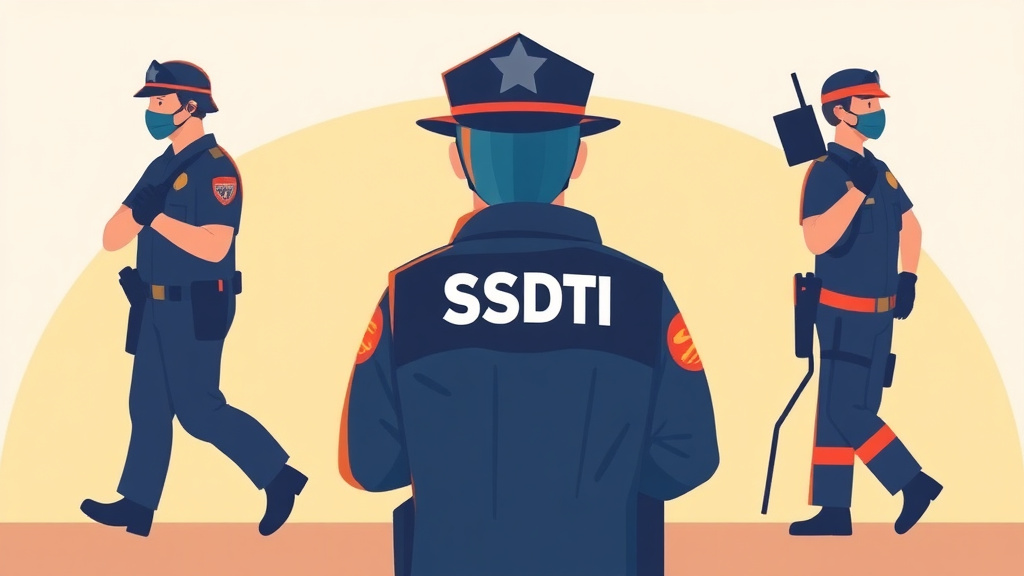
First responders put extraordinary physical and mental demands on their bodies. When those demands result in lasting disability, the SSDI system actually works in their favor because the physical intensity of their past work is a factor the SSA considers.
SSA evaluates disability claims using the Blue Book, which lists qualifying conditions and the specific criteria each must meet. If your condition matches a Blue Book listing, approval is more straightforward. Even if your condition does not match a Blue Book listing exactly, you can still qualify through a medical-vocational allowance. This considers your age, education, work experience, and functional limitations together. Consistent treatment records are critical. SSA looks for ongoing documentation showing your condition limits your ability to work, not just a single diagnosis.
Common Qualifying Conditions
- PTSD: From traumatic calls, shootings, fatalities. Listing 12.15.
- Back and joint injuries: From physical demands, falls, vehicle accidents. Category 1 listings.
- Cardiac conditions: Heart attacks, cardiomyopathy, hypertension. Category 4 listings.
- Respiratory conditions: Smoke inhalation, chemical exposure, lung disease. Category 3 listings.
- Traumatic brain injury: From assaults, accidents, blast exposure. Listing 11.18.
SSA evaluates disability claims using the Blue Book, which lists qualifying conditions and the specific criteria each must meet. If your condition matches a Blue Book listing, approval is more straightforward. Even if your condition does not match a Blue Book listing exactly, you can still qualify through a medical-vocational allowance. This considers your age, education, work experience, and functional limitations together. Consistent treatment records are critical. SSA looks for ongoing documentation showing your condition limits your ability to work, not just a single diagnosis.
The Physical Demand Advantage
First responder jobs are classified as heavy or very heavy exertion in the Dictionary of Occupational Titles. At Step 4, if you're limited to sedentary or light work, you clearly can't return to your past work. At Step 5, the grid rules favor older workers with heavy physical backgrounds.
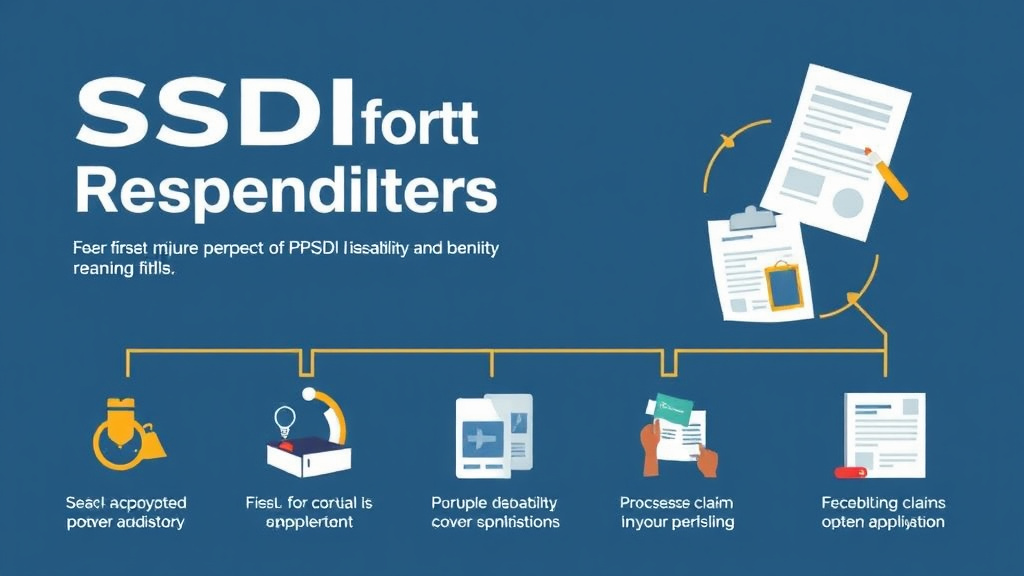
SSA evaluates disability claims using the Blue Book, which lists qualifying conditions and the specific criteria each must meet. If your condition matches a Blue Book listing, approval is more straightforward. Even if your condition does not match a Blue Book listing exactly, you can still qualify through a medical-vocational allowance. This considers your age, education, work experience, and functional limitations together. Consistent treatment records are critical. SSA looks for ongoing documentation showing your condition limits your ability to work, not just a single diagnosis.
Pension vs SSDI
Many first responders receive occupational disability pensions from their department or municipality. Unlike workers' comp, most public pensions do not trigger an SSDI offset. You can collect both your pension and SSDI at full amounts.
DisabilityFiled generates applications that use the physical demands of first responder work.DisabilityFiled offers a $49 Complete Packet that organizes your information for your own application. It is a document preparation service, not a law firm, and it does not provide legal advice or guarantee any outcome.
Start your application with DisabilityFiled
Related Articles
SSA evaluates disability claims using the Blue Book, which lists qualifying conditions and the specific criteria each must meet. If your condition matches a Blue Book listing, approval is more straightforward. Even if your condition does not match a Blue Book listing exactly, you can still qualify through a medical-vocational allowance. This considers your age, education, work experience, and functional limitations together. Consistent treatment records are critical. SSA looks for ongoing documentation showing your condition limits your ability to work, not just a single diagnosis.
What to Do Next
- Look up your condition in the SSA Blue Book to see whether ptsd has a specific listing. If it does, gather evidence that matches each criterion in that listing.
- Schedule an appointment with your treating doctor to discuss your functional limitations. Ask them to document specific restrictions in your medical record.
- Start a daily symptom log tracking pain levels, activities attempted, and tasks you could not complete. This contemporaneous record carries significant weight with SSA adjudicators.
- If your condition does not match a Blue Book listing, focus your evidence on showing you cannot sustain full-time work at any skill level. Age, education, and transferable skills all factor into this determination.
Understanding the Details
SSA uses the Blue Book (officially called the Listing of Impairments) to evaluate whether a medical condition qualifies for disability benefits. Each listing describes the condition and the specific clinical findings required to meet it. If your condition meets a listing, SSA can approve your claim without considering your age, education, or work history. Review the Blue Book listing for your specific condition and work with your doctor to document each required criterion.
If your condition does not meet a Blue Book listing exactly, SSA evaluates your claim through what is called a medical-vocational allowance. This process looks at your remaining functional capacity alongside your age, education level, and past work experience. Older claimants (age 50 and above) with physically demanding work histories and limited education have a higher probability of approval through this pathway.
Mental health conditions are among the most commonly approved SSDI diagnoses, but they require specific documentation. SSA looks for treatment notes from a psychiatrist or psychologist, records of medication management, and evidence showing how your mental health symptoms limit your ability to concentrate, interact with others, and maintain attendance at a job. If you are seeing only a primary care doctor for mental health, consider adding a specialist to your treatment team.
Try our free tools
Frequently Asked Questions
How can first responders qualify for SSDI due to PTSD or injuries?
Police officers, firefighters, and EMTs face high rates of PTSD, musculoskeletal injuries, and cardiac conditions. Many qualify for SSDI based on the physical demands of their past work combined with age-related grid rules.
What are the benefits of the physical demand advantage?
First responder jobs are classified as heavy or very heavy exertion in the Dictionary of Occupational Titles. At Step 4, if you're limited to sedentary or light work, you clearly can't return to your past work. At Step 5, the grid rules favor older workers with heavy physical backgrounds.
How do they compare in terms of pension vs ssdi?
Many first responders receive occupational disability pensions from their department or municipality. Unlike workers' comp, most public pensions do not trigger an SSDI offset. You can collect both your pension and SSDI at full amounts.