SSDI for Teachers: WEP, GPO, and Special Rules
TL;DR: Teachers in states with separate pension systems (not covered by Social Security) face unique challenges. The Windfall Elimination Provision (WEP) reduces SSDI benefits for workers who also receive a non-covered pension. The Government Pension Offset (GPO) reduces spousal/survivor benefits by 2/3 of the pension amount. Teachers who worked both covered and non-covered jobs need careful planning. Some states cover teachers under Social Security; others don't.
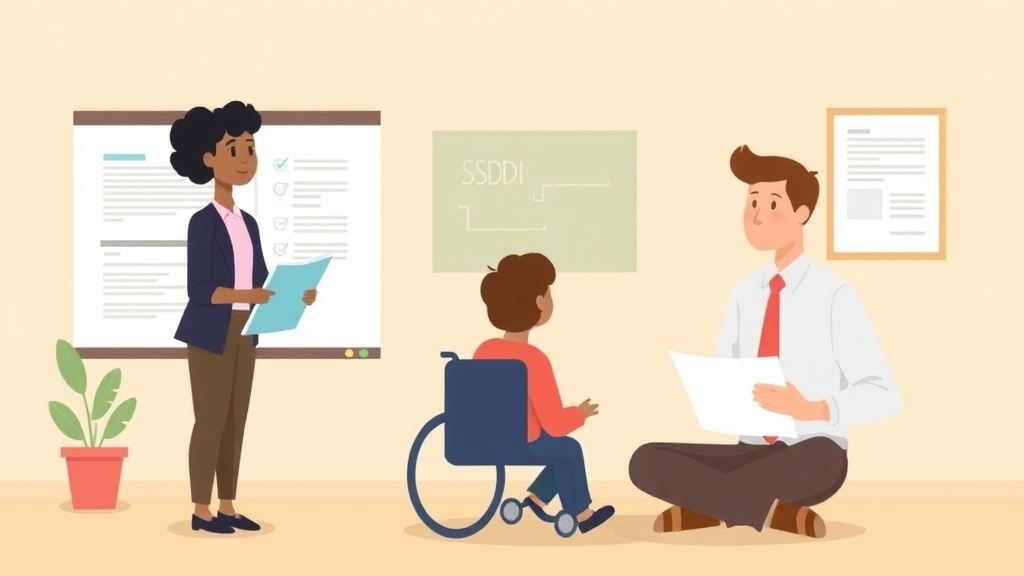
Teachers are one of the most affected groups when it comes to Social Security complications. Whether you're eligible for SSDI and how much you'd receive depends heavily on which state you taught in and whether your school district participated in Social Security.
The SSDI application process takes an average of 3 to 6 months for an initial decision. If denied, the appeals process can add another 12 to 24 months depending on your region. Having complete and detailed medical documentation is the single biggest factor in SSDI approval. Request records from all treating providers before submitting your application. Many claimants benefit from organizing their medical history into a timeline showing how their condition has progressed. This helps SSA reviewers see the full picture without searching through hundreds of pages.
States Where Teachers Don't Pay Into Social Security
In about 15 states, public school teachers are covered by state pension systems instead of Social Security. Major examples include California (CalSTRS), Texas (TRS), Ohio (STRS), Massachusetts, Illinois, and Colorado. Teachers in these states don't earn Social Security credits from their teaching work.
Most disability attorneys charge a contingency fee of 25% of your backpay, capped at $7,200. You pay nothing upfront and nothing if you lose.DisabilityFiled offers a $49 Complete Packet that organizes your information for your own application. It is a document preparation service, not a law firm, and it does not provide legal advice or guarantee any outcome. This means you keep 100% of your benefits regardless of how large your backpay award is. Compare total costs before choosing representation.DisabilityFiled offers a $49 Complete Packet that organizes your information for your own application. It is a document preparation service, not a law firm, and it does not provide legal advice or guarantee any outcome.
The Windfall Elimination Provision (WEP)
If you worked jobs covered by Social Security (before or after teaching) and also receive a state teacher pension, WEP reduces your SSDI benefit. The reduction can be up to $587/month (2026). WEP applies because the standard benefit formula assumes all your earnings were covered by Social Security.
The SSDI application process takes an average of 3 to 6 months for an initial decision. If denied, the appeals process can add another 12 to 24 months depending on your region. Having complete and detailed medical documentation is the single biggest factor in SSDI approval. Request records from all treating providers before submitting your application. Many claimants benefit from organizing their medical history into a timeline showing how their condition has progressed. This helps SSA reviewers see the full picture without searching through hundreds of pages.
The Government Pension Offset (GPO)
If you're applying for spousal or survivor SSDI benefits and receive a government pension from non-covered work, GPO reduces those benefits by 2/3 of your pension amount. This can eliminate spousal benefits entirely.
The SSDI application process takes an average of 3 to 6 months for an initial decision. If denied, the appeals process can add another 12 to 24 months depending on your region. Having complete and detailed medical documentation is the single biggest factor in SSDI approval. Request records from all treating providers before submitting your application. Many claimants benefit from organizing their medical history into a timeline showing how their condition has progressed. This helps SSA reviewers see the full picture without searching through hundreds of pages.
Teachers Covered by Social Security
If your state or district participates in Social Security, you earn credits normally and WEP/GPO don't apply. You have the same SSDI eligibility as any other worker.
DisabilityFiled accounts for WEP/GPO situations in your application.DisabilityFiled offers a $49 Complete Packet that organizes your information for your own application. It is a document preparation service, not a law firm, and it does not provide legal advice or guarantee any outcome.
Start your application with DisabilityFiled
Related Articles
The SSDI application process takes an average of 3 to 6 months for an initial decision. If denied, the appeals process can add another 12 to 24 months depending on your region. Having complete and detailed medical documentation is the single biggest factor in SSDI approval. Request records from all treating providers before submitting your application. Many claimants benefit from organizing their medical history into a timeline showing how their condition has progressed. This helps SSA reviewers see the full picture without searching through hundreds of pages.
What to Do Next
- Create a my Social Security account at ssa.gov if you do not have one yet. This gives you access to your earnings record, benefit estimates, and the ability to report changes online.
- Collect and organize all medical records related to your disabling conditions. Missing records are the most common reason for delays and denials.
- Write a detailed description of your daily routine, focusing on what you cannot do or what takes significantly longer than it used to. SSA uses this information to assess your functional capacity.
- DisabilityFiled offers a $49 Complete Packet that organizes your information for your own application. It is a document preparation service, not a law firm, and it does not provide legal advice or guarantee any outcome.com/start. Complete, SSA-compliant paperwork significantly increases your chances of approval.
Try our free tools
Frequently Asked Questions
How does the Windfall Elimination Provision (WEP) affect teachers' SSDI benefits?
If you worked jobs covered by Social Security (before or after teaching) and also receive a state teacher pension, WEP reduces your SSDI benefit. The reduction can be up to $587/month (2026). WEP applies because the standard benefit formula assumes a lifetime of low earnings.
What is the Government Pension Offset (GPO) and how does it impact teachers' SSDI benefits?
If you're applying for spousal or survivor SSDI benefits and receive a government pension from non-covered work, GPO reduces those benefits by 2/3 of your pension amount. This can eliminate spousal benefits entirely.
When are teachers not covered by Social Security?
In about 15 states, public school teachers are covered by state pension systems instead of Social Security. Major examples include California (CalSTRS), Texas (TRS), Ohio (STRS), Massachusetts, Illinois, and Colorado.
Why do special rules apply to teachers in states without Social Security coverage?
Teachers in states with separate pension systems (not covered by Social Security) face unique challenges. The Windfall Elimination Provision (WEP) reduces SSDI benefits for workers who also receive a non-covered pension.
Can teachers covered by Social Security receive full SSDI benefits?
If your state or district participates in Social Security, you earn credits normally and WEP/GPO don't apply. You have the same SSDI eligibility as any other worker.