Extended Period of Eligibility: 36 Months of Protection
TL;DR: How the safety net works after your trial work period ends. Understanding how work activity interacts with SSDI is essential for protecting your benefits.DisabilityFiled offers a $49 Complete Packet that organizes your information for your own application. It is a document preparation service, not a law firm, and it does not provide legal advice or guarantee any outcome.
The SSDI application process takes an average of 3 to 6 months for an initial decision. If denied, the appeals process can add another 12 to 24 months depending on your region. Having complete and detailed medical documentation is the single biggest factor in SSDI approval. Request records from all treating providers before submitting your application. Many claimants benefit from organizing their medical history into a timeline showing how their condition has progressed. This helps SSA reviewers see the full picture without searching through hundreds of pages.
What You Need to Know
How the safety net works after your trial work period ends.
The relationship between work and disability benefits is one of the most confusing areas of the SSDI system. Getting it wrong can cost you your benefits or lead to overpayments SSA will demand back. Getting it right means you can maximize your income while protecting your eligibility.
The SSDI application process takes an average of 3 to 6 months for an initial decision. If denied, the appeals process can add another 12 to 24 months depending on your region. Having complete and detailed medical documentation is the single biggest factor in SSDI approval. Request records from all treating providers before submitting your application. Many claimants benefit from organizing their medical history into a timeline showing how their condition has progressed. This helps SSA reviewers see the full picture without searching through hundreds of pages.
Key Rules
SGA Limits
The fundamental rule: earning above $1,620/month in 2026 ($2,700 if blind) means SSA considers you capable of substantial gainful activity, which disqualifies you from SSDI. This applies whether you are applying or already receiving benefits (outside the trial work period).
What Counts as Earnings
Not all income is treated equally by SSA:
| Income Type | Counts Toward SGA? | Notes |
|---|---|---|
| Wages/salary | Yes | Primary earnings from employment |
| Self-employment income | Yes (with adjustments) | Net earnings after business expenses |
| Investment income | No | Dividends, interest, capital gains |
| Rental income | Usually no | Unless actively managing properties |
| Pension/retirement | No | Not earned income |
| VA disability | No | Not earned income |
| Workers' comp | No (but may offset SSDI) | Different rules apply |
Deductions from Earnings
SSA allows certain deductions that can bring your countable earnings below SGA:
- Impairment-Related Work Expenses (IRWE): Costs for items you need because of your disability to work
- Subsidies: If an employer pays more than the value of your work output
- Unincurred business expenses: For self-employed, contributions from others
Reporting Work Activity
You must report all work activity to SSA, including:
- Starting or stopping work
- Changes in hours or pay
- Self-employment activities
- Volunteer work (while not counted for SGA, SSA wants to know)
Report through your my Social Security account, the SSA mobile app, by phone at 1-800-772-1213, or in writing to your local office. Failure to report can result in overpayments.
In 2025, SGA is defined as earning more than $1,620 per month (or $2,700 if you are blind). Earning above this amount generally means SSA considers you able to work. The Trial Work Period lets you test your ability to work for 9 months without losing benefits. During this period, you receive full SSDI payments regardless of how much you earn. If you want to try working but are afraid of losing benefits, look into the Ticket to Work program. It provides employment support services at no cost and includes built-in safety nets.
Work Incentive Programs
SSA offers several programs to help you test your ability to work without immediately losing benefits:
- Trial Work Period: 9 months of unlimited earnings with full benefits
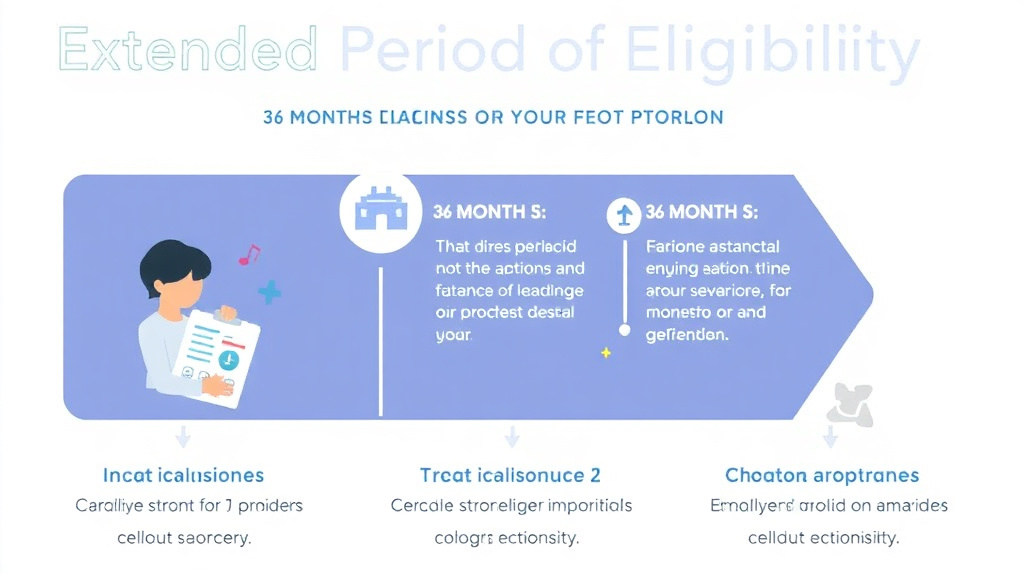
- Extended Period of Eligibility: 36 months where benefits fluctuate with earnings
- Expedited Reinstatement: Fast-track return to benefits if work does not work out within 5 years
- Ticket to Work: Free job training and placement services
- PASS (Plan to Achieve Self-Support): Set aside income/resources for a work goal while keeping SSI
In 2025, SGA is defined as earning more than $1,620 per month (or $2,700 if you are blind). Earning above this amount generally means SSA considers you able to work. The Trial Work Period lets you test your ability to work for 9 months without losing benefits. During this period, you receive full SSDI payments regardless of how much you earn. If you want to try working but are afraid of losing benefits, look into the Ticket to Work program. It provides employment support services at no cost and includes built-in safety nets.
Getting Approved in the First Place
Before worrying about work incentives, you need to get approved.DisabilityFiled offers a $49 Complete Packet that organizes your information for your own application. It is a document preparation service, not a law firm, and it does not provide legal advice or guarantee any outcome.
| Option | Cost on $15,000 Backpay | You Keep |
|---|---|---|
| Disability attorney | $3,750 | $11,250 |
| Allsup | $3,750-$4,950 | $10,050-$11,250 |
| DisabilityFiled | $49 | $14,921 |
Start your DisabilityFiled applicationDisabilityFiled offers a $49 Complete Packet that organizes your information for your own application. It is a document preparation service, not a law firm, and it does not provide legal advice or guarantee any outcome.
The SSDI application process takes an average of 3 to 6 months for an initial decision. If denied, the appeals process can add another 12 to 24 months depending on your region. Having complete and detailed medical documentation is the single biggest factor in SSDI approval. Request records from all treating providers before submitting your application. Many claimants benefit from organizing their medical history into a timeline showing how their condition has progressed. This helps SSA reviewers see the full picture without searching through hundreds of pages.
Related Resources
What to Do Next
- Create a my Social Security account at ssa.gov if you do not have one yet. This gives you access to your earnings record, benefit estimates, and the ability to report changes online.
- Collect and organize all medical records related to your disabling conditions. Missing records are the most common reason for delays and denials.
- Write a detailed description of your daily routine, focusing on what you cannot do or what takes significantly longer than it used to. SSA uses this information to assess your functional capacity.
Try our free tools
Frequently Asked Questions
What are the requirements for extended period of eligibility: 36 months of protection?
TL;DR: How the safety net works after your trial work period ends. Understanding how work activity interacts with SSDI is essential for protecting your benefits.DisabilityFiled offers a $49 Complete Packet that organizes your information for your own application. It is a document preparation service, not a law firm, and it does not provide legal advice or guarantee any outcome.
What You Need to Know?
How the safety net works after your trial work period ends.
How do the key SSDI earnings rules work?
The fundamental rule is that earning above $1,620/month in 2026 ($2,700 if blind) means SSA considers you capable of substantial gainful activity, which disqualifies you from SSDI. This applies whether you are applying or already receiving benefits.
What work activity do I need to report to the SSA?
You must report all work activity to SSA, including any part-time, full-time, or self-employment work.
What work incentive programs does the SSA offer?
SSA offers several programs to help you test your ability to work without immediately losing benefits.
How can I improve my chances of getting approved for SSDI?
Before worrying about work incentives, you need to get approved.DisabilityFiled offers a $49 Complete Packet that organizes your information for your own application. It is a document preparation service, not a law firm, and it does not provide legal advice or guarantee any outcome.