Appealing SSDI Without a Lawyer: Pro Se Strategies
TL;DR: You can represent yourself (pro se) at an SSDI hearing, but statistics show claimants with attorneys win at higher rates. If you go pro se, focus on getting strong RFC forms from your doctors, submitting all evidence early, preparing your testimony, and understanding what the vocational expert does. Consider self-representation for reconsideration and hiring an attorney for the hearing stage. Remember: attorneys work on contingency, so there is no upfront cost.
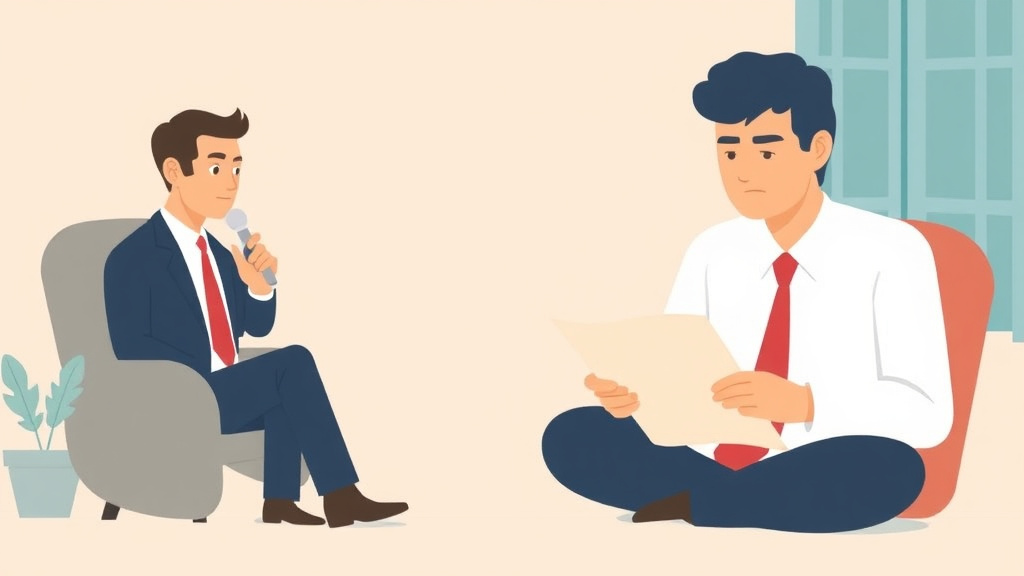
Not everyone wants or can find a disability lawyer. If you are representing yourself at an SSDI hearing, you can still win. But you need to understand what attorneys do so you can do it yourself.
Approval rates at the ALJ hearing level are significantly higher than at the initial or reconsideration stages. Nationally, about 50% of claimants who reach a hearing receive a favorable decision. Claimants with legal representation at hearings win approval at roughly twice the rate of those without representation. Many disability attorneys work on contingency, so there is no upfront cost. Your specific approval odds depend on your medical evidence, your age, your work history, and the particular judge assigned to your case.
What an Attorney Does That You Need to Do Instead
| Attorney Task | How to Do It Yourself |
|---|---|
| Identify evidence gaps | Compare your denial letter reasons to your medical file. What is missing? |
| Request RFC forms | Bring blank RFC forms to your doctor and explain what they need to fill out |
| Write pre-hearing brief | Write a 1-2 page summary of your case citing key evidence |
| Question vocational expert | Ask: "If I were off-task 15% of the day and missed 2 days per month, would there be jobs?" |
| Prepare testimony | Practice answering common ALJ questions with specific, honest answers |
The SSDI application process takes an average of 3 to 6 months for an initial decision. If denied, the appeals process can add another 12 to 24 months depending on your region. Having complete and detailed medical documentation is the single biggest factor in SSDI approval. Request records from all treating providers before submitting your application. Many claimants benefit from organizing their medical history into a timeline showing how their condition has progressed. This helps SSA reviewers see the full picture without searching through hundreds of pages.
Tips for Pro Se Hearings
- Submit all evidence at least 5 business days before the hearing
- Bring a written summary of your key points to reference during the hearing
- Be respectful and direct with the judge
- When the judge asks if you have questions for the VE, ask about off-task time and absenteeism thresholds
- Review our guides on ALJ questions and testimony tips
Arrive at your hearing at least 30 minutes early. Bring a government-issued photo ID and any documents you submitted that you want to reference during testimony. Practice describing your daily limitations in concrete terms. Instead of saying 'I can't do much,' say something like 'I can stand for about 10 minutes before the pain forces me to sit down.' According to disability attorneys, the most common mistake at hearings is understating symptoms. Describe your worst days honestly, not just your average days.
When to Reconsider Self-Representation
If your case involves complex medical evidence, multiple conditions, or has been through the hearing level before, professional representation significantly improves your odds. Disability attorneys cost nothing upfront. See our guide to finding a disability lawyer.
The SSDI application process takes an average of 3 to 6 months for an initial decision. If denied, the appeals process can add another 12 to 24 months depending on your region. Having complete and detailed medical documentation is the single biggest factor in SSDI approval. Request records from all treating providers before submitting your application. Many claimants benefit from organizing their medical history into a timeline showing how their condition has progressed. This helps SSA reviewers see the full picture without searching through hundreds of pages.
Build Your Pro Se Case
DisabilityFiled's Complete Packet ($49) generates the evidence checklist, document templates, and hearing prep guide you need to represent yourself effectively.
Start your appeal preparation now.
The SSDI application process takes an average of 3 to 6 months for an initial decision. If denied, the appeals process can add another 12 to 24 months depending on your region. Having complete and detailed medical documentation is the single biggest factor in SSDI approval. Request records from all treating providers before submitting your application. Many claimants benefit from organizing their medical history into a timeline showing how their condition has progressed. This helps SSA reviewers see the full picture without searching through hundreds of pages.
What to Do Next
- Create a my Social Security account at ssa.gov if you do not have one yet. This gives you access to your earnings record, benefit estimates, and the ability to report changes online.
- Collect and organize all medical records related to your disabling conditions. Missing records are the most common reason for delays and denials.
- Write a detailed description of your daily routine, focusing on what you cannot do or what takes significantly longer than it used to. SSA uses this information to assess your functional capacity.
- DisabilityFiled offers a $49 Complete Packet that organizes your information for your own application. It is a document preparation service, not a law firm, and it does not provide legal advice or guarantee any outcome.com/start. Complete, SSA-compliant paperwork significantly increases your chances of approval.
Try our free tools
Frequently Asked Questions
How can I appeal my SSDI denial without a lawyer?
You can represent yourself (pro se) at an SSDI hearing, but statistics show claimants with attorneys win at higher rates. If you go pro se, focus on getting strong RFC forms from your doctors, submitting all evidence early, and preparing your testimony.
When to Reconsider Self-Representation?
If your case involves complex medical evidence, multiple conditions, or has been through the hearing level before, professional representation significantly improves your odds. Disability attorneys cost nothing upfront. See our guide to finding a disability lawyer.
What resources are available to build a pro se SSDI appeal case?
DisabilityFiled's Complete Packet ($49) generates the evidence checklist, document templates, and hearing prep guide you need to represent yourself effectively.