Filing a Late SSDI Appeal: Showing Good Cause
TL;DR: If you missed the 60-day appeal deadline, you can still file and request an extension by showing "good cause." Good cause includes: serious illness, hospitalization, death in the family, mail problems, misleading SSA information, or mental/physical incapacity that prevented timely filing. File your appeal immediately with a written explanation and supporting documentation. The SSA grants good cause extensions regularly when the reason is legitimate.

Missing the 60-day SSDI appeal deadline feels like game over. It is not. The SSA routinely grants extensions for good cause. The key is filing immediately and providing a clear, documented explanation for the delay.
The SSDI application process takes an average of 3 to 6 months for an initial decision. If denied, the appeals process can add another 12 to 24 months depending on your region. Having complete and detailed medical documentation is the single biggest factor in SSDI approval. Request records from all treating providers before submitting your application. Many claimants benefit from organizing their medical history into a timeline showing how their condition has progressed. This helps SSA reviewers see the full picture without searching through hundreds of pages.
What Qualifies as Good Cause
- Serious illness or hospitalization during the appeal window
- Death in your immediate family
- Important records were destroyed (fire, flood, disaster)
- You did not receive the notice (wrong address, mail problems)
- You received incorrect or misleading information from the SSA
- Mental or physical condition prevented you from understanding or acting on the notice
- Language barrier prevented understanding the deadline
- You asked the SSA for more information needed to file and did not receive it in time
The SSDI application process takes an average of 3 to 6 months for an initial decision. If denied, the appeals process can add another 12 to 24 months depending on your region. Having complete and detailed medical documentation is the single biggest factor in SSDI approval. Request records from all treating providers before submitting your application. Many claimants benefit from organizing their medical history into a timeline showing how their condition has progressed. This helps SSA reviewers see the full picture without searching through hundreds of pages.
How to Request an Extension
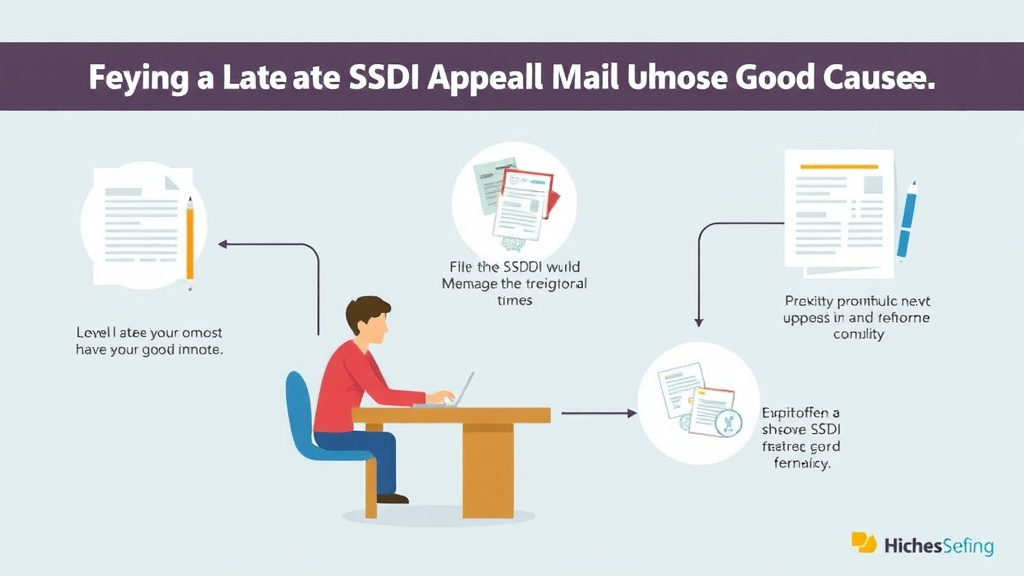
- File your appeal form (SSA-561, HA-501, or HA-520) immediately
- Include a written statement explaining why you are late and why the reason constitutes good cause
- Attach documentation: hospital records, death certificate, returned mail, medical records showing incapacity
- Be specific about dates and circumstances
The SSDI application process takes an average of 3 to 6 months for an initial decision. If denied, the appeals process can add another 12 to 24 months depending on your region. Having complete and detailed medical documentation is the single biggest factor in SSDI approval. Request records from all treating providers before submitting your application. Many claimants benefit from organizing their medical history into a timeline showing how their condition has progressed. This helps SSA reviewers see the full picture without searching through hundreds of pages.
If Good Cause Is Denied
If the SSA denies your good cause request, your appeal may be dismissed. You can request reconsideration of the dismissal or explore reopening your prior claim or filing a new application.
A denial does not mean your case is over. About 2 out of 3 initial SSDI applications are denied, and many of those denials are overturned on appeal. Read your denial letter carefully. It tells you exactly why SSA denied your claim. The most common reasons are insufficient medical evidence and SSA determining you can still perform some type of work. You have 60 days from the date on your denial letter to file an appeal. Missing this deadline means starting over from scratch, so mark it on your calendar immediately.
Do Not Wait
The longer you wait after missing the deadline, the harder it is to show good cause. File today.
DisabilityFiled's Complete Packet ($49) helps you prepare your late appeal with the documentation needed to demonstrate good cause.
Processing times vary by office workload and case complexity. Cases with complete medical records typically move faster through the system. If your case has been pending longer than expected, contact the hearing office directly to check status. You can also ask your congressional representative's office to make an inquiry on your behalf. SSA processed over 2 million disability claims in 2024, and staffing shortages at regional offices contributed to longer wait times in many areas.
What to Do Next
- Check the date on your denial letter and mark your 60-day appeal deadline on a calendar. Missing this window means restarting the entire process.
- Request a complete copy of your SSA file (called the 'exhibit file') so you can see exactly what evidence the reviewer had, and identify any gaps you need to fill.
- Get an updated RFC form from your treating doctor that addresses the specific reasons listed in your denial. If SSA said you can do sedentary work, your doctor needs to explain why you cannot.
- Contact a disability attorney for a free case evaluation. Most work on contingency, so you pay nothing unless you win.
Try our free tools
Frequently Asked Questions
How can I file a late SSDI appeal and show good cause?
If you missed the 60-day appeal deadline, you can still file and request an extension by showing 'good cause.' Good cause includes serious illness, hospitalization, death in the family, mail problems, misleading SSA information, or mental/physical impairment.
What happens if my request for good cause is denied?
If the SSA denies your good cause request, your appeal may be dismissed. You can request reconsideration of the dismissal or explore reopening your prior claim or filing a new application. A denial does not mean your case is over. About 2 out of 3 in these situations are eventually approved.
Do Not Wait?
The longer you wait after missing the deadline, the harder it is to show good cause. File today.