How to Apply for SSDI with Kidney Failure/Dialysis
TL;DR: End-stage renal disease (ESRD) requiring dialysis generally meets SSA Listing 6.02 criteria. If you are on maintenance hemodialysis or peritoneal dialysis, you typically qualify automatically. You need nephrologist records, dialysis treatment logs, and lab work showing kidney function. Even kidney transplant recipients may qualify if functional limitations persist after transplant.
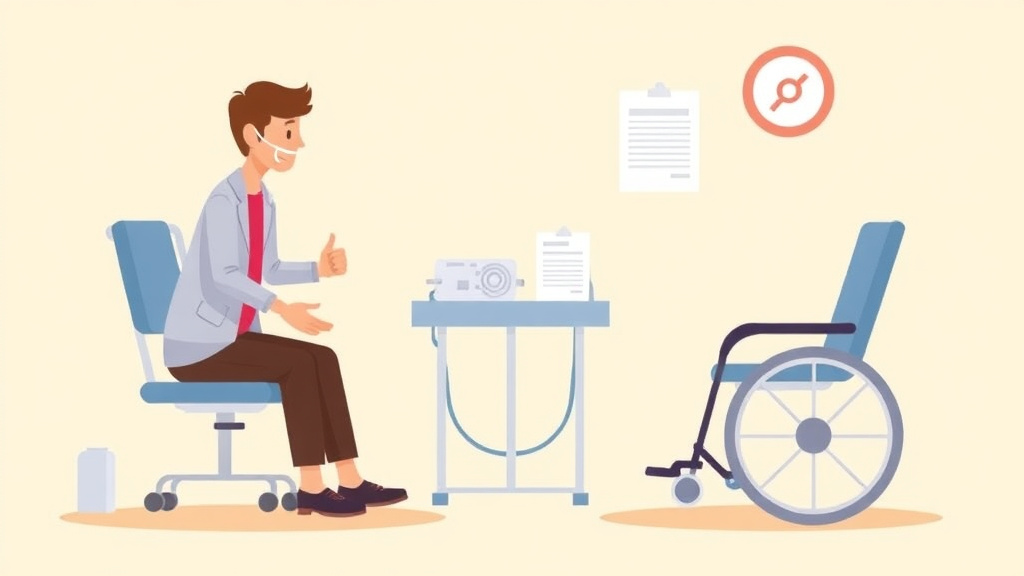
Kidney failure requiring dialysis is one of the more straightforward SSDI claims because the treatment schedule alone creates work limitations. Three weekly hemodialysis sessions of 3 to 4 hours each, plus recovery time, makes full-time employment nearly impossible.
SSA evaluates disability claims using the Blue Book, which lists qualifying conditions and the specific criteria each must meet. If your condition matches a Blue Book listing, approval is more straightforward. Even if your condition does not match a Blue Book listing exactly, you can still qualify through a medical-vocational allowance. This considers your age, education, work experience, and functional limitations together. Consistent treatment records are critical. SSA looks for ongoing documentation showing your condition limits your ability to work, not just a single diagnosis.
What the SSA Evaluates
The SSA uses a five-step sequential evaluation process for every SSDI claim. At Step 3, they check whether your condition meets or equals a Blue Book listing. If it does not, they assess your Residual Functional Capacity (RFC) at Steps 4 and 5 to determine what work you can still perform. Your application documentation should address both the listing criteria and your functional limitations.
SSA evaluates disability claims using the Blue Book, which lists qualifying conditions and the specific criteria each must meet. If your condition matches a Blue Book listing, approval is more straightforward. Even if your condition does not match a Blue Book listing exactly, you can still qualify through a medical-vocational allowance. This considers your age, education, work experience, and functional limitations together. Consistent treatment records are critical. SSA looks for ongoing documentation showing your condition limits your ability to work, not just a single diagnosis.
Documentation Strategy
Strong claims share these elements:
- Consistent medical treatment over time (not a single visit)
- Specialist records (not just primary care)
- Objective test results supporting your diagnosis
- Specific, measurable functional limitations on all forms
- Medication history showing treatment attempts and side effects
- Physician support letter or RFC assessment from your treating doctor
For detailed guidance on completing your application forms, see our guides on the Disability Report (SSA-3368), Function Report (SSA-3373), and Work History Report (SSA-3369).
Approval rates at the ALJ hearing level are significantly higher than at the initial or reconsideration stages. Nationally, about 50% of claimants who reach a hearing receive a favorable decision. Claimants with legal representation at hearings win approval at roughly twice the rate of those without representation. Many disability attorneys work on contingency, so there is no upfront cost. Your specific approval odds depend on your medical evidence, your age, your work history, and the particular judge assigned to your case.
Common Application Mistakes
- Listing only one condition when you have multiple diagnoses
- Vague descriptions like "I can't work" instead of specific limitations
- Describing your best days instead of typical days
- Not reporting medication side effects
- Missing medical providers on your SSA-827 forms
- Treatment gaps without explanation
See our 12 common SSDI mistakes guide for detailed prevention strategies.
SSA evaluates disability claims using the Blue Book, which lists qualifying conditions and the specific criteria each must meet. If your condition matches a Blue Book listing, approval is more straightforward. Even if your condition does not match a Blue Book listing exactly, you can still qualify through a medical-vocational allowance. This considers your age, education, work experience, and functional limitations together. Consistent treatment records are critical. SSA looks for ongoing documentation showing your condition limits your ability to work, not just a single diagnosis.
How DisabilityFiled Helps
DisabilityFiled's AI Intake translates your plain-English descriptions into SSA-compliant language. Our Form Auto-Population fills out SSA-16-BK, SSA-787, SSA-3369, and SSA-827 based on your answers. Our Application Strength Score rates your claim before submission so you can fix weak spots. And our Physician Letter Template gives your doctor a framework customized to your conditions.
DisabilityFiled offers a $49 Complete Packet that organizes your information for your own application. It is a document preparation service, not a law firm, and it does not provide legal advice or guarantee any outcome. No subscriptions, no percentage of your benefits.
Start your application now and get your forms right the first time.
SSA evaluates disability claims using the Blue Book, which lists qualifying conditions and the specific criteria each must meet. If your condition matches a Blue Book listing, approval is more straightforward. Even if your condition does not match a Blue Book listing exactly, you can still qualify through a medical-vocational allowance. This considers your age, education, work experience, and functional limitations together. Consistent treatment records are critical. SSA looks for ongoing documentation showing your condition limits your ability to work, not just a single diagnosis.
What to Do Next
- Gather your medical records from every provider you have seen in the past 2 years. Request these now, as providers can take 2 to 4 weeks to process records requests.
- Create a my Social Security account at ssa.gov to check your earnings record and estimated benefit amount before applying.
- Write down your daily limitations in specific terms: how long you can sit, stand, walk, lift, and concentrate. You will need these details for the application forms.
- Start your DisabilityFiled application at disabilityfiled.com/intake to organize your application information with the free guided intake.
Try our free tools
Frequently Asked Questions
How to Apply for SSDI with Kidney Failure/Dialysis?
The SSA uses a five-step sequential evaluation process for every SSDI claim. At Step 3, they check whether your condition meets or equals a Blue Book listing. If it does not, they assess your Residual Functional Capacity. End-stage renal disease (ESRD) requiring dialysis generally meets SSA Listing 6.02 criteria. If you are on maintenance hemodialysis or peritoneal dialysis, you typically qualify automatically. You need nephrologist records, dialysis treatment logs, and lab work showing kidney function. Even kidney transplant recipients may qualify if functional limitations persist after transplant.
What the SSA Evaluates?
Listing only one condition when you have multiple diagnoses, vague descriptions like "I can't work" instead of specific limitations, describing your best days instead of typical days, not reporting medication side effects, and missing medical providers on your SSA-827 forms are some common SSDI application mistakes. Treatment gaps without explanation can also be problematic.
How can I avoid common mistakes when applying for SSDI for kidney failure?
Avoid listing only one condition when you have multiple diagnoses, using vague descriptions like 'I can't work' instead of specific limitations, describing your best days instead of typical days, not reporting medication side effects, and missing medical provider information.
How DisabilityFiled Helps?
DisabilityFiled offers a $49 Complete Packet that organizes your information for your own application. It is a document preparation service, not a law firm, and it does not provide legal advice or guarantee any outcome. Our Form Auto-Population fills out SSA-16-BK, SSA-787, SSA-3369, and SSA-827 based on your answers. Our Application Strength Score rates your claim before submission so you can fix weak spots.